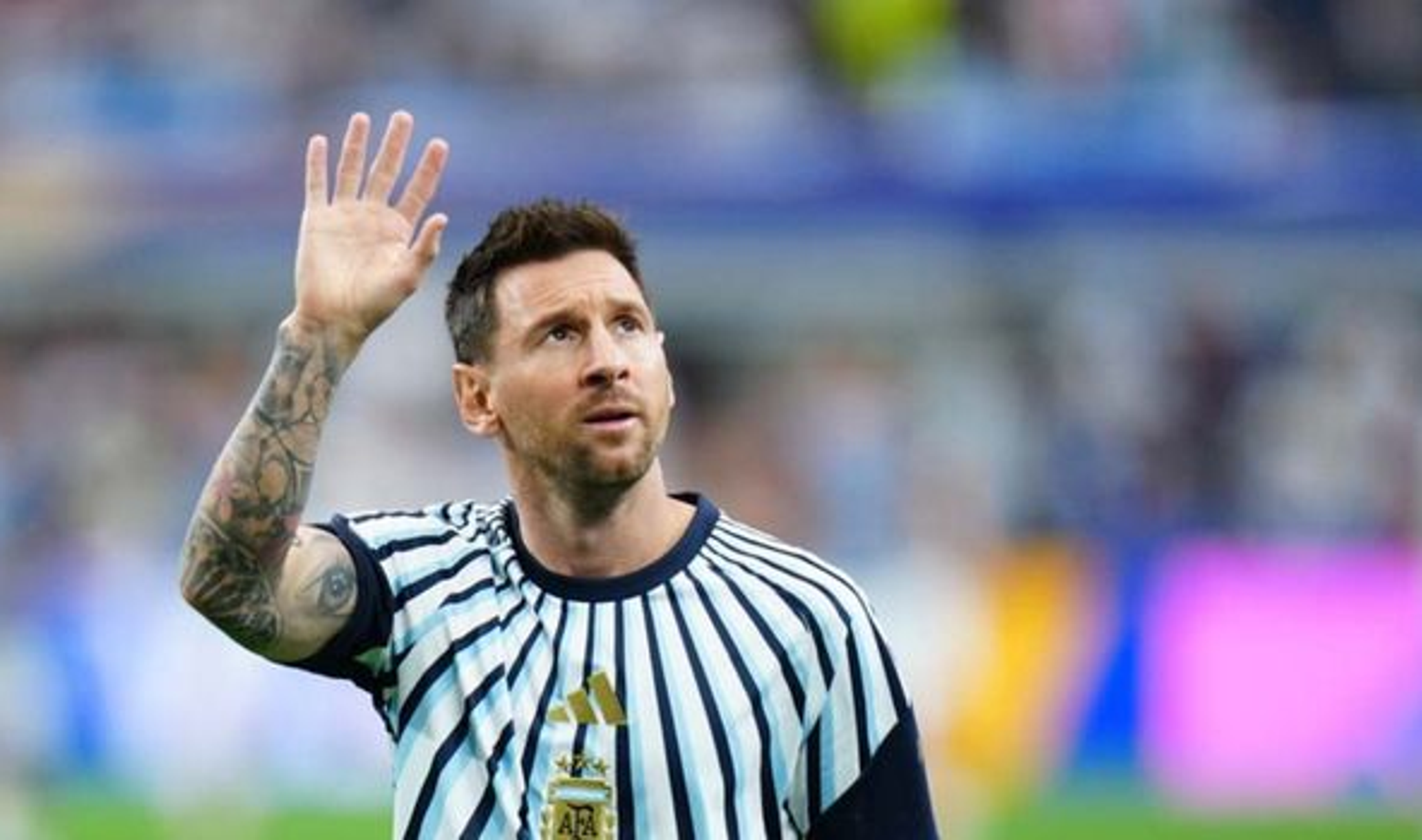
Lionel Messi has officially retired from international football, ending a two-decade career with Argentina that included a World Cup title, two Copa America trophies and a record-setting run as the country’s most prolific player.
The 39-year-old announced the decision on August 31, 2026, weeks after Argentina lost the World Cup final 1-0 to Spain. Messi said he had thought deeply about stepping away and felt the time had come for a new generation to take over. The decision closes one of the most significant chapters in modern international football, but it does not mean Messi is retiring from club football.
What did Lionel Messi say about retiring?
Messi confirmed his international retirement in an emotional statement posted on Instagram. He described the decision as painful but said he understood that the moment had arrived. Reuters reported that Messi said he had always given everything to the Argentina shirt and now felt he had nothing left to give.
He also pointed to the quality of the younger players coming through Argentina’s system. That matters because this retirement is not simply about age. It is also a deliberate handover at the end of a cycle in which Messi helped transform Argentina from a team defined by repeated near-misses into one of the most successful national sides of the 2020s.
Messi’s Argentina career in numbers
Messi leaves international football with 207 appearances and 125 goals for Argentina, according to Reuters. Both are national records. His international career began in 2005 and stretched across six World Cups, making his longevity almost as remarkable as his scoring record.
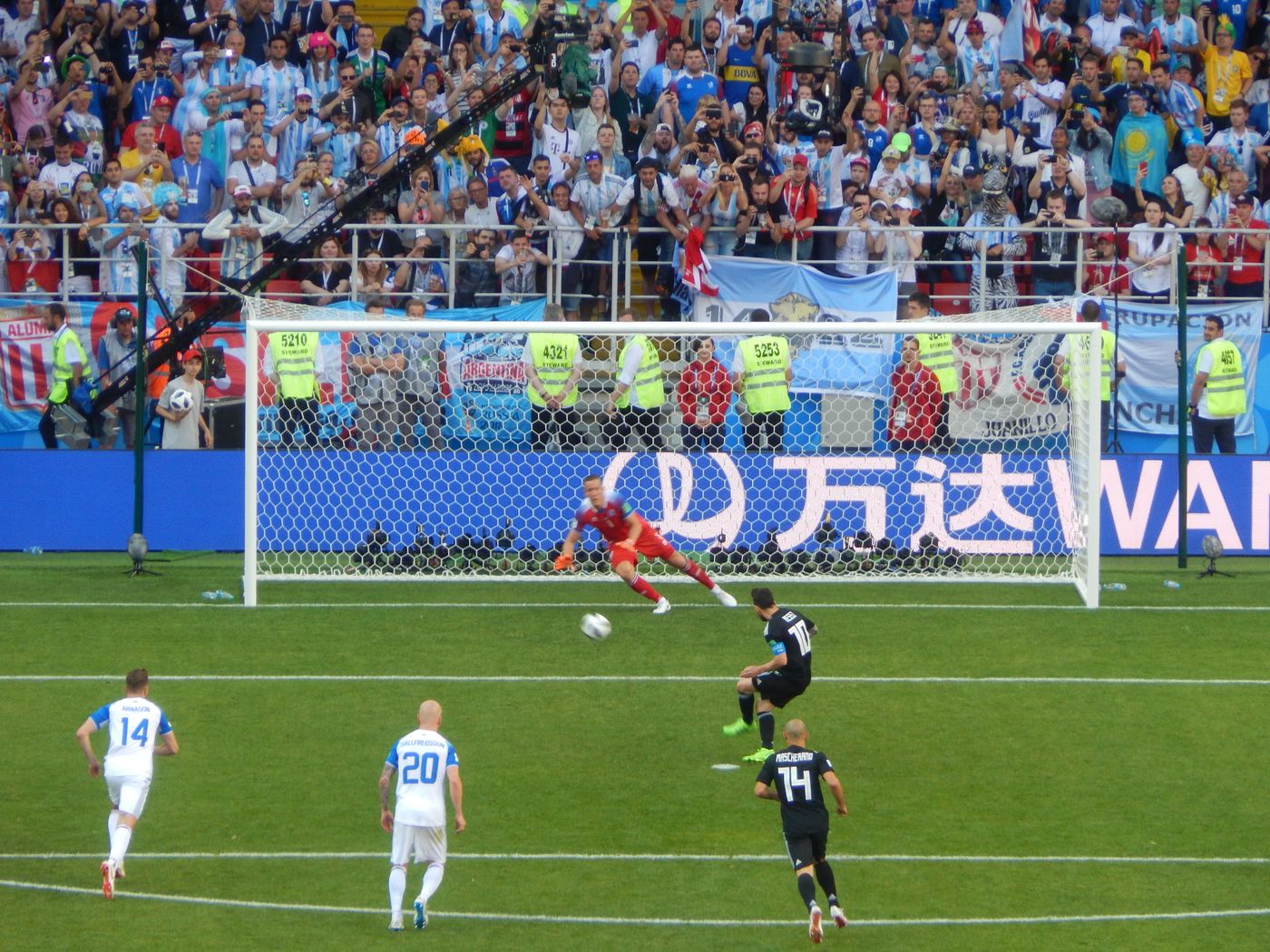
His major senior international honours include the 2021 Copa America, the 2022 FIFA World Cup and another Copa America title in 2024. He also reached World Cup finals in 2014 and 2026, meaning his Argentina career ended with three appearances in the biggest match in international football.
Why Messi’s Argentina legacy changed so dramatically
For much of the first half of his international career, Messi’s relationship with Argentina was complicated. He was already a superstar at Barcelona, but major international trophies repeatedly escaped him. Argentina lost the 2014 World Cup final and then fell short in consecutive Copa America finals.
That frustration reached a peak in 2016, when Messi briefly announced his retirement from international football after another Copa America final defeat. He later reversed that decision. What followed reshaped how he was viewed at home.
The breakthrough came with the 2021 Copa America, followed by the 2022 World Cup in Qatar. Reuters described that period as a transformation from repeated disappointment to redemption and national triumph. FIFA’s retirement feature similarly framed his departure as the final close of a story that had already seen one attempted farewell a decade earlier.
The 2026 World Cup final became Messi’s last Argentina match
Messi’s final international appearance came in the 2026 World Cup final, where Argentina lost 1-0 to Spain. The result denied Argentina back-to-back World Cup titles and prevented Messi from ending his international career with the same kind of fairytale finish that defined 2022.
That does not diminish the significance of reaching another final at age 39. Messi remained central to Argentina’s attack throughout the tournament and extended several World Cup records before stepping away.
Is Messi retiring from football completely?
No. Messi is retiring only from international football. He remains under contract with Inter Miami in Major League Soccer.
Inter Miami announced in 2025 that Messi had signed an extension through the end of the 2028 MLS season. The club’s official announcement makes clear that his club career is still expected to continue well beyond his Argentina farewell.
That distinction is important for fans who see headlines saying “Messi retires.” He is not leaving professional football altogether. For now, the retirement applies to the Argentina national team.
What changes for Argentina now?
Argentina now has to solve both a football problem and a leadership problem. Messi was not only the team’s primary creative reference for years, but also its emotional centre and captain. Replacing his minutes is one challenge; replacing his influence is another.
The immediate responsibility is likely to be shared rather than handed to one direct successor. Players such as Lautaro Martinez, Enzo Fernandez and Rodrigo De Paul are among the established figures around whom Argentina can build, while younger players will have more freedom to define the team’s next identity.
Tactically, Argentina may become less dependent on one central creator. That could make the team more collective, but it also removes the player who could decide matches with a pass, dribble or finish even when the system was under pressure.
Why this retirement matters beyond Argentina
Messi’s retirement is a global sports story because international football has spent nearly two decades built around a small group of generational stars. Messi’s departure from Argentina represents another major transition away from the era that also featured Cristiano Ronaldo at his peak and a generation of players who defined world football in the 2010s and early 2020s.
For broadcasters, sponsors and tournament organisers, Messi’s presence had commercial value far beyond Argentina. For supporters, however, the bigger significance is emotional: a player who represented the national team for more than 20 years will no longer walk out in the blue and white shirt.
What happens next for Messi?
The next phase of Messi’s career will be focused on Inter Miami. His current deal runs through 2028, although a contract does not guarantee he will necessarily play every season through its final day. Fitness, motivation and the club’s competitive plans will all shape what happens.
For Argentina, the national team enters its first full cycle in decades without planning around Messi. That transition will be closely watched as the side builds toward future Copa America tournaments and the 2030 World Cup cycle.
Bottom line
Lionel Messi’s international career is over, but his professional career is not. He leaves Argentina as its record appearance-maker and scorer, a World Cup-winning captain and the central figure in one of the most dramatic national-team redemption stories in modern football.
The question now shifts from whether Messi can deliver another trophy for Argentina to how Argentina rebuilds without him, and how long he chooses to continue playing for Inter Miami.
Sources
Reuters, Lionel Messi announces retirement from Argentina, August 31, 2026.