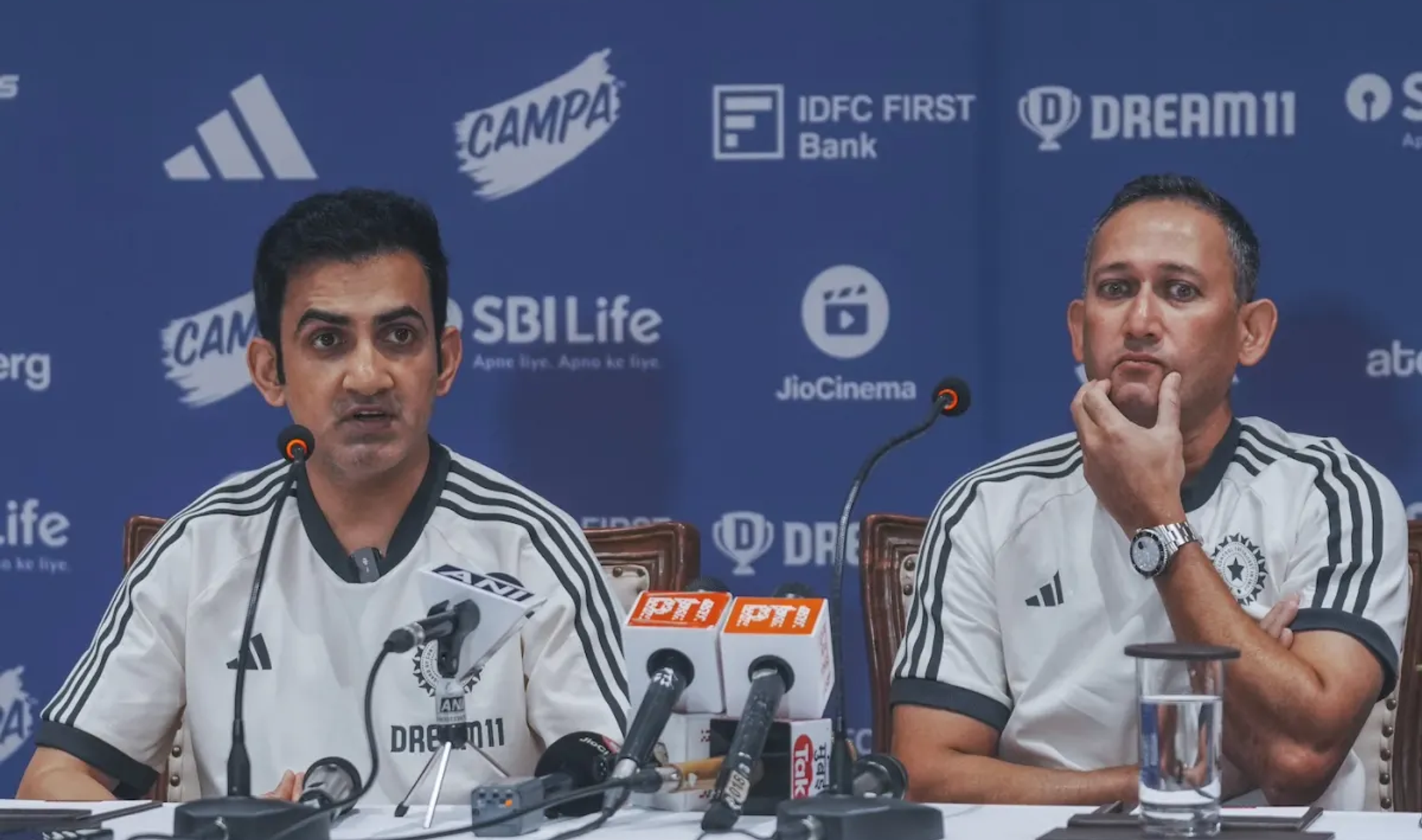
Gautam Gambhir, chief selector Ajit Agarkar and Centre of Excellence head VVS Laxman are set to attend a high-level BCCI review meeting in Mumbai on September 3, with India’s recent overseas results and a growing fitness-management problem expected to dominate the discussion.
The meeting comes at an important point in India’s calendar. The team is moving toward a New Zealand tour later this year and the 2027 ODI World Cup cycle, while several leading players remain in rehabilitation or are being managed carefully. Reports based on PTI information indicate that BCCI secretary Devajit Saikia will also be part of the review.
Why the BCCI review meeting is happening now
The immediate backdrop is India’s disappointing run away from home. The board is expected to review performances from the recent UK leg, including defeats in Ireland and England, rather than treating those results as isolated setbacks. The larger question is whether selection, workload planning, rehabilitation and communication between the national team and the Centre of Excellence are aligned well enough for the next major cycle.
That makes this more than a routine post-series debrief. Gambhir represents the team management, Agarkar the selection committee and Laxman the Bengaluru-based Centre of Excellence. Bringing all three into the same meeting gives the BCCI a chance to address problems that sit across those departments rather than inside only one of them.
Player fitness and return timelines are a major concern
One of the clearest agenda items is injury management. Jasprit Bumrah, Hardik Pandya and Akash Deep are among the players whose availability has complicated India’s planning, while the squad for the Afghanistan T20I series also includes Bumrah, Washington Sundar, Nitish Kumar Reddy and Harshit Rana subject to fitness clearance.
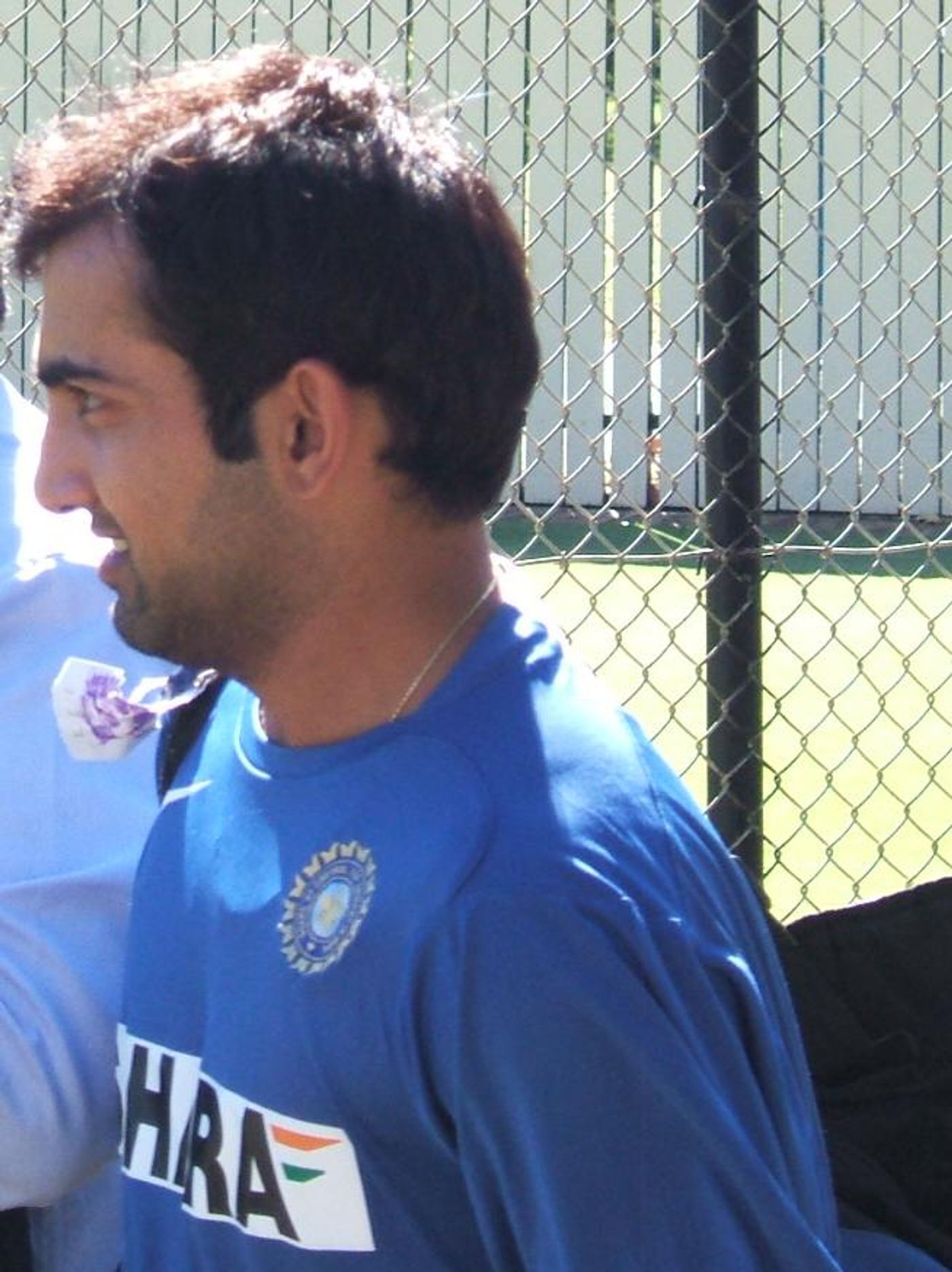
That issue is already visible in India’s squad for the Afghanistan T20I series, where four selections remain conditional on final clearance. The review meeting is therefore likely to focus not only on whether individual players are fit, but also on how early the selectors and team management receive realistic return-to-play timelines.
For a national side planning multiple formats, uncertainty can become as damaging as the injury itself. A selector can build a squad around an expected return date only if the medical and rehabilitation information is sufficiently clear. When that date shifts, the team may have to change combinations, workloads and replacement plans at short notice.
Hardik Pandya’s ODI role is especially important
Hardik Pandya is particularly significant because India do not have many players who can combine top-six batting with a genuine seam-bowling workload in ODI cricket. PTI reported that the selection committee and team management want him capable of bowling a full 10-over quota before considering him for 50-over selection.
That is a strategic requirement rather than a simple fitness benchmark. If Pandya is available only as a batter who can contribute a few overs, India need a different balance. If he can reliably bowl a full spell, the team gains far more flexibility with an extra specialist batter, spinner or fast bowler.
Rohit Sharma and the 2027 World Cup roadmap
Another closely watched part of the meeting is the 2027 ODI World Cup roadmap. Reports indicate that the futures of senior players including Rohit Sharma, Virat Kohli and Ravindra Jadeja are expected to be considered as India decides how aggressively it should transition before the tournament.
Rohit’s position has attracted the most speculation, but there is no official BCCI announcement confirming that he is being removed from India’s World Cup plans. Recent reports about his future should therefore be treated as part of an ongoing selection discussion, not as a final decision.
The underlying problem for the selectors is timing. Moving on from experienced players too early can weaken a side before a major tournament, but delaying transition can leave too little time to establish new combinations. The New Zealand tour later in 2026 will be one of the next important checkpoints.
Ajit Agarkar’s future may also be discussed
Agarkar’s tenure as chairman of selectors is another reported agenda item. His current term is approaching its end, making the review relevant not just to individual squad decisions but also to whether the BCCI wants continuity in the selection structure through the 2027 World Cup cycle.
Continuity would allow the same selection group to carry its planning through the next phase. A change, on the other hand, could alter how India approaches senior-player transitions, workload management and the balance between current form and long-term development. No extension or replacement should be treated as confirmed unless the BCCI announces it.
What the meeting means for Gautam Gambhir
For Gambhir, the meeting puts recent results under direct review, but there is currently no verified indication that the BCCI has decided to replace him as head coach. Search interest around Gambhir has risen alongside reports of the meeting, and online speculation about his position has intensified, but the confirmed development is the review itself.
The more useful question is what changes the board and team management identify after the review. India’s problems overseas have involved form, injuries, availability and combinations, so a coaching discussion that ignores the medical and selection pipeline would be incomplete.
India have also been reshaping their white-ball setup, with several established names no longer automatic selections. Headline Thread recently examined Suryakumar Yadav’s omission from the T20I setup, another example of how quickly roles can change as selectors build toward the next cycle.
What happens next
The key development to watch is whether the BCCI communicates any concrete decisions after the meeting. Those could include clearer rehabilitation protocols, changes in communication between the Centre of Excellence and selectors, decisions on Agarkar’s tenure, or a more defined plan for senior ODI players ahead of 2027.
Until that happens, reports about sackings, retirements or final World Cup selections remain premature. The September 3 meeting is important because it brings the people responsible for coaching, selection and rehabilitation together at a moment when India need greater certainty across all three areas.
For supporters, the next meaningful signals will be the outcome of the review, the fitness clearances before the Afghanistan series and the squads selected for the New Zealand tour. Those decisions will show whether the meeting produces only a diagnosis of recent problems or a visible change in India’s planning.