
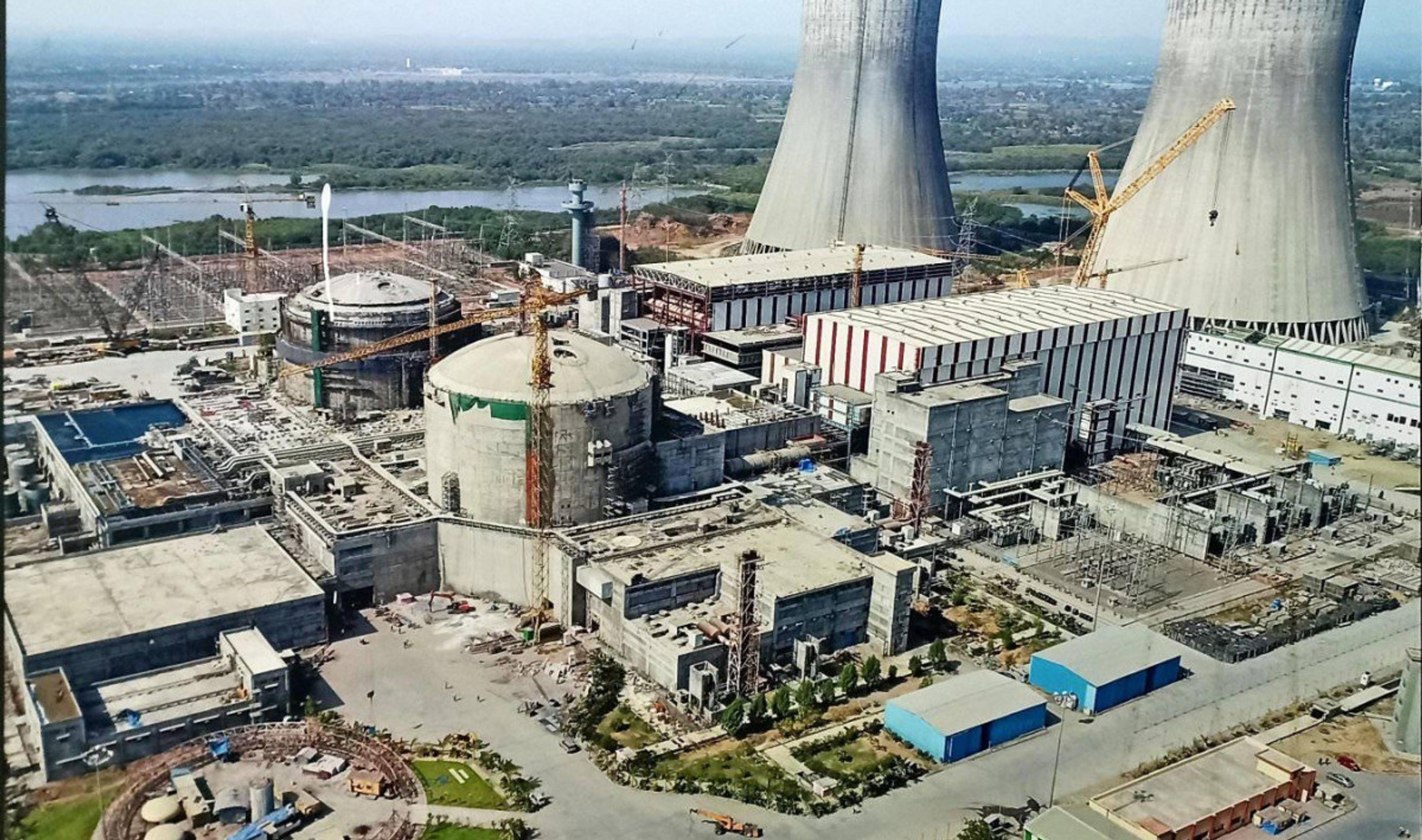
India’s nuclear power expansion is entering a decisive phase. Draft rules issued under the SHANTI Act are designed to open the sector to private capital and foreign technology, but new conditions on imported reactor designs could also make it harder for some advanced projects to enter the country quickly.
The Department of Atomic Energy has opened the Draft SHANTI Rules, 2026 and Draft SHANTI Regulations, 2026 for public consultation until 8:00 PM on September 4, 2026. The framework covers licensing, operator liability, financial protection, safety oversight, waste management and the use of foreign reactor technology.
The most closely watched issue is the treatment of foreign reactor designs. Under the draft framework, a foreign design must be certified or approved by the nuclear regulator in its country of origin, must already be operational in that country or another foreign market, and would still require approval from India’s nuclear regulator before construction.
That creates a clear trade-off. The government gets an additional safety filter for imported technology, while developers of newer reactors, especially small modular reactors that have not yet reached commercial operation abroad, may face a longer path into India.
What the SHANTI draft rules change
The SHANTI framework represents one of the biggest structural changes to India’s nuclear power policy in decades. It is intended to create a route for private participation in a sector that has historically been dominated by state-owned entities.
The draft rules provide for a single composite licence covering the building, ownership, operation and decommissioning of a nuclear power plant or reactor. They also allow developers to seek in-principle approval even before a final site or technology is selected, giving companies a basis to negotiate with reactor vendors and begin work on land and infrastructure.
The rules also recognise captive nuclear generation. That matters for energy-intensive industries such as aluminium, cement, data centres, semiconductor manufacturing and AI infrastructure, where companies increasingly want stable low-carbon electricity around the clock.
For private operators, the draft framework includes financial-security requirements for nuclear damage and regulatory obligations that continue through the life of a plant. In practical terms, opening the sector to private capital does not mean reducing the safety or liability burden.
Why foreign reactor technology is the key issue
Foreign technology is important because India’s ambition is much larger than the projects already under construction. Domestic pressurised heavy water reactor technology will remain central, but reaching the government’s long-term capacity goal is likely to require a wider mix of technologies, project developers and financing sources.
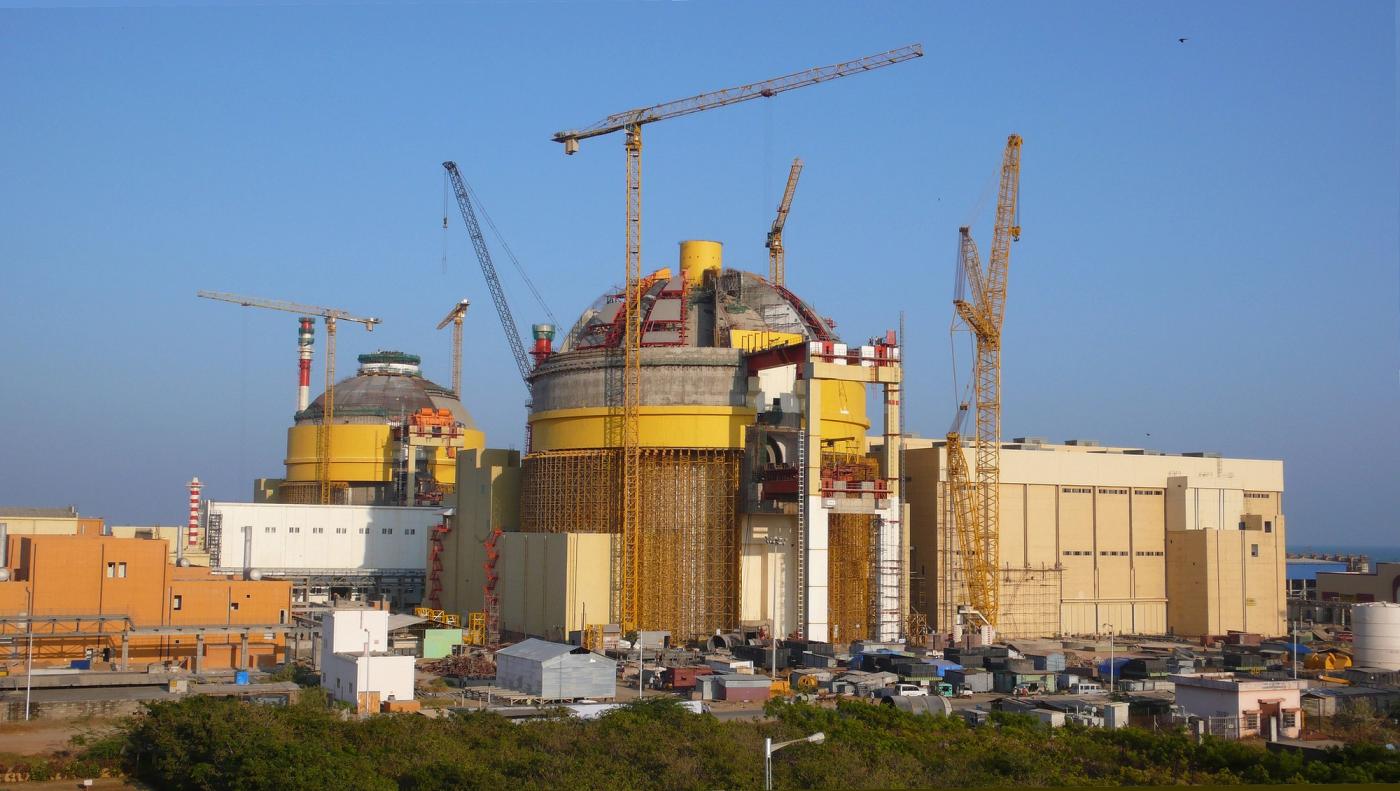
Reuters reported on August 27 that industry participants are concerned the proposed foreign-design conditions could slow the introduction of newer reactor systems. A design that has regulatory approval but has not yet entered operation abroad could fail one of the draft tests even if the technology is being developed by a major established vendor.
From the government’s perspective, however, the requirement has a straightforward rationale: India would avoid becoming the first commercial deployment site for an unproven foreign design. That reduces technology risk and gives Indian regulators operational evidence from another market before approving construction at home.
What this could mean for small modular reactors
Small modular reactors, or SMRs, are one of the most important technologies affected by the debate. SMRs are designed to be smaller and potentially easier to build in stages than traditional large reactors. They are also being promoted globally as a possible source of clean, reliable power for industrial users and data centres.
But many SMR designs are still moving through licensing, demonstration or early deployment. If India requires a foreign design to be operational outside the country before it can qualify, some of the newest SMR concepts may have to wait until their first projects are completed elsewhere.
That does not close the door on SMRs. It could instead favour technologies that are further along in deployment, as well as Indian-designed reactors that do not face the same foreign-technology condition. The result could shape which vendors gain an early advantage in India’s emerging private nuclear market.
Why private companies are watching closely
India’s policy shift is attracting interest because nuclear power offers something that solar and wind cannot always provide on their own: continuous low-carbon electricity. That is particularly valuable for industrial plants, large computing facilities and manufacturing operations that need predictable power around the clock.
The commercial challenge is that nuclear projects are expensive, take years to build and depend heavily on regulatory certainty. Before companies commit large amounts of capital, they need clarity on licensing timelines, liability, tariffs, returns and technology eligibility. The Department of Atomic Energy is also considering institutional support for new private entrants. The Economic Times reported that a consulting subsidiary of Nuclear Power Corporation of India could be created to guide companies on design, engineering and regulatory matters, particularly around domestic PHWR projects.
The US and other foreign suppliers have a lot at stake
The draft rules are also becoming an international commercial issue. Moneycontrol reported on August 27 that the US nuclear industry is preparing a detailed submission before the September 4 deadline. Companies including Westinghouse Electric, Holtec International and GE Hitachi Nuclear Energy have previously shown interest in India, including advanced reactor and SMR opportunities.
How this fits India’s 100 GW nuclear ambition
India is trying to expand nuclear power from a relatively small share of its electricity system into a much larger pillar of clean energy. The government has set a goal of reaching 100 GW of nuclear capacity by 2047. That scale matters because electricity demand is expected to rise as manufacturing expands, households consume more power, transport electrifies and data-centre demand grows.
Headline Thread recently examined how India is building domestic capability in other strategic industries, including its semiconductor push and mobile manufacturing incentives. Nuclear power follows a similar strategic logic: reduce dependence, build local capability and attract outside capital without surrendering regulatory control.
What investors and energy users should watch next
The immediate milestone is September 4, when the public consultation closes. After that, the most important questions will be whether the government modifies the foreign-reactor eligibility conditions, how quickly licences can be processed, what financial protections private operators must maintain and how the framework handles newer technologies that do not yet have a long operating record.
For industrial users, another major question is how practical captive nuclear power becomes. If the rules allow large energy consumers to participate in projects with manageable timelines and financing structures, the policy could eventually change how data centres, semiconductor plants and heavy industry source reliable low-carbon electricity.
For investors, the key signal will not be announcements of interest. It will be signed projects, technology selections, approved sites and financing commitments.
The bigger picture
India’s new nuclear framework is trying to solve two problems at once: attract more capital and technology into the sector while preserving a high safety threshold. Those goals are compatible, but the details of the final rules will determine how quickly private and foreign participation can scale.
The foreign-design requirement is therefore more than a technical licensing clause. It could influence which reactor technologies India deploys first, which international suppliers can compete, and how rapidly the country can turn its 100 GW ambition into operating power plants. For now, the framework remains a draft, with the consultation closing on September 4, 2026.