
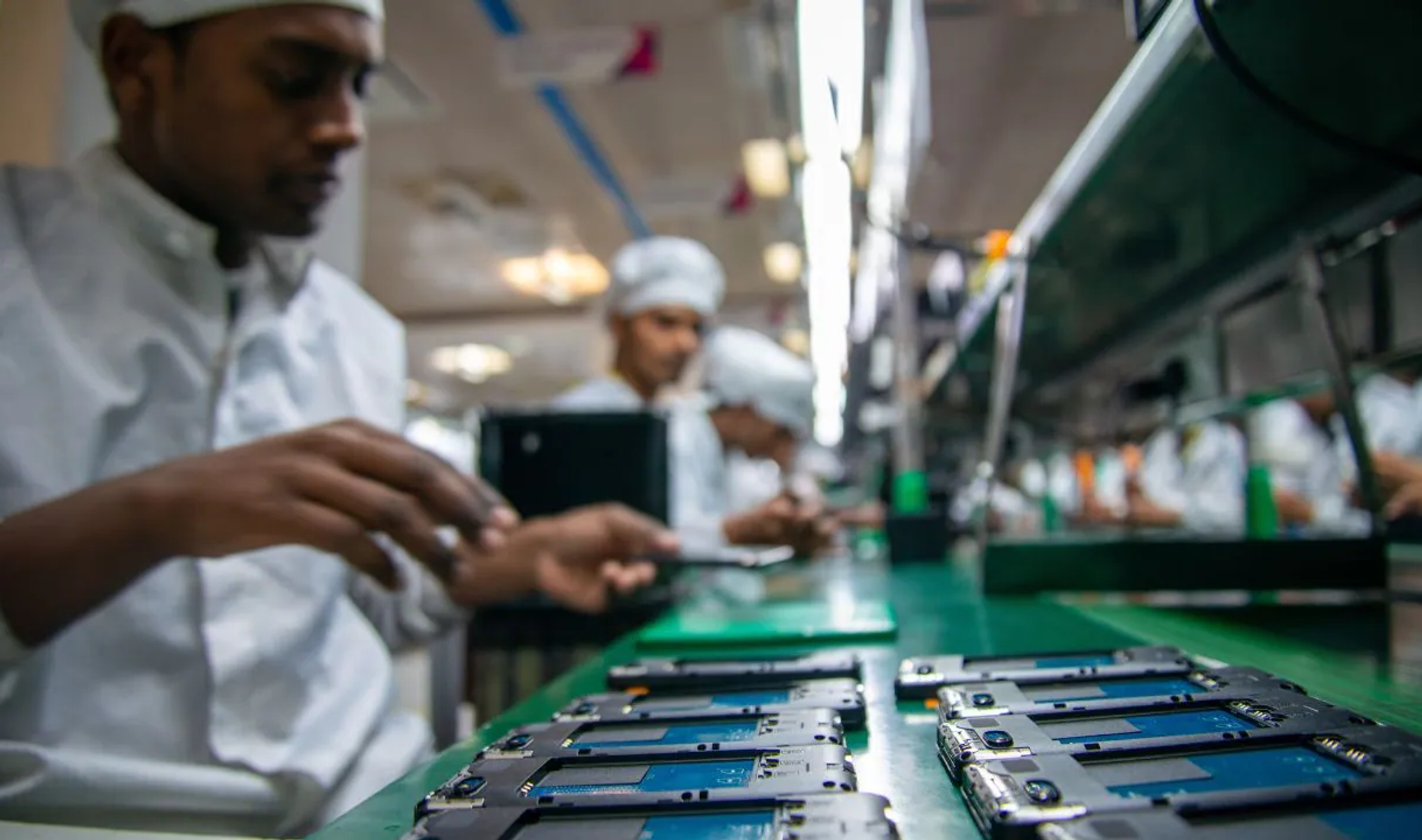
India has formally notified a ₹62,500 crore Mobile Phone Manufacturing Scheme, or MPMS, as it tries to move its smartphone industry from large-scale assembly toward deeper domestic manufacturing, stronger supply chains and Indian-owned technology. The five-year programme runs from FY 2026-27 to FY 2030-31 and follows the expiry of the earlier Production Linked Incentive scheme for large-scale electronics manufacturing on March 31, 2026.
The timing matters. India is already the world’s second-largest mobile phone manufacturer by volume, and the government says 99.2% of phones used domestically are now made in India. Smartphones also became India’s single largest exported product category in 2025. MPMS is therefore less about starting a manufacturing industry from scratch and more about addressing what comes next: increasing local value addition, keeping exports competitive and creating Indian brands with meaningful design and intellectual-property capabilities.
What is the Mobile Phone Manufacturing Scheme?
The official MeitY notification describes MPMS as a production-linked incentive programme designed to increase scale, domestic value addition and global competitiveness. It has a total budgetary outlay of ₹62,500 crore and provides incentive support on eligible mobile-phone sales at differentiated rates.
The Cabinet had approved the programme in July, but the August notification provides the framework manufacturers need to evaluate eligibility and investment plans. The scheme succeeds the first large-scale electronics PLI, which helped turn India into a major smartphone assembly and export base.
How much incentive can manufacturers receive?
MPMS provides incentives linked to eligible sales, with rates broadly ranging from 2.25% to 5% depending on the target segment and year. The structure is intended to reward companies that manufacture at significant scale rather than simply establishing small assembly operations to qualify for subsidies.
An important addition is an incentive of up to 1.5% for domestic sourcing of specified components and sub-assemblies. To qualify for this additional benefit, those components must be localised for at least 25% of the manufacturer’s total mobile-phone units in a financial year. This is one of the clearest signals that the policy is trying to increase the amount of economic value created inside India, not merely the number of finished phones assembled here.
Who is eligible for MPMS?
The scheme has separate tracks for large-scale manufacturers and Indian brands. Large mobile-phone manufacturers, including electronics manufacturing services companies, need substantial existing operations. Government reporting on the notified rules says companies in this segment need at least ₹10,000 crore in turnover in FY 2025-26, alongside the other conditions set by the scheme.
The Indian-brand track has a lower turnover threshold of ₹1,000 crore for FY 2025-26 but adds ownership and capability requirements. The brand must be registered or incorporated in India, its intellectual property and trademark must be held in India, management control must rest with Indian citizens, more than 51% of shareholding must be held by Indian citizens, and the company must have in-house R&D and design capabilities in India.
That distinction is significant because it gives the programme two goals at once. India wants multinational and contract manufacturers to keep expanding production and exports, while also trying to create conditions in which an Indian-owned smartphone company can compete at greater scale.
Why India is changing its smartphone manufacturing strategy
The first smartphone PLI demonstrated that financial incentives could help India capture a larger share of global assembly. The next challenge is harder. High-value components, semiconductor-related inputs, advanced camera modules, display technologies, design work and intellectual property can account for a large share of the value of a smartphone. A country can assemble millions of devices while still importing much of that value.
MPMS attempts to push manufacturers further into local sourcing while complementing India’s separate Electronics Component Manufacturing Scheme. Together, these policies are meant to build a denser supplier ecosystem so that manufacturers can source more parts domestically rather than relying heavily on imported components.
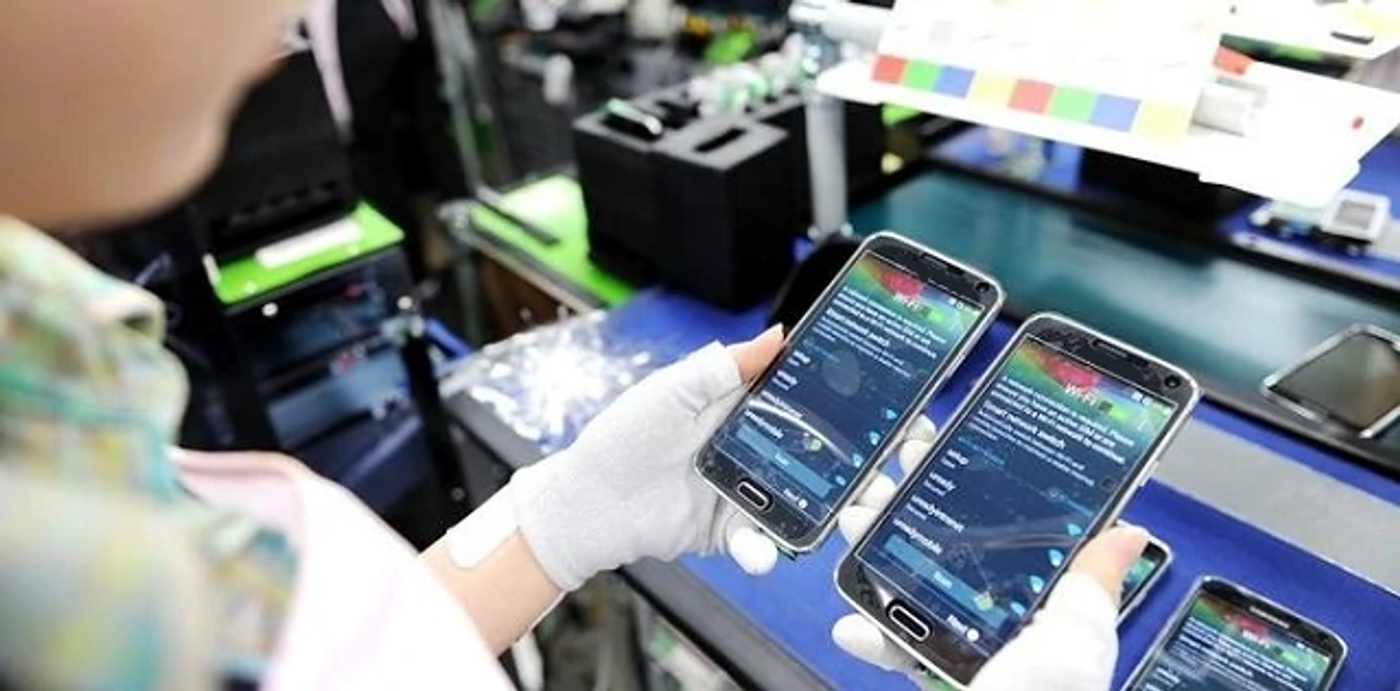
The policy also sits within a wider effort to attract technology investment into India. Headline Thread recently explained India’s revised FDI rules for investors from neighbouring countries, another change that could influence electronics, manufacturing and technology investment decisions.
What does the government expect MPMS to achieve?
MeitY projects cumulative mobile-phone production of approximately ₹39 lakh crore during the scheme period and around 60,000 direct jobs. Those are policy targets rather than guaranteed outcomes, and actual results will depend on manufacturer participation, export demand, supply-chain localisation and how effectively the incentives translate into new investment.
The government has also set a more symbolic ambition: Electronics and IT Minister Ashwini Vaishnaw has said India could see its first strong indigenous mobile brand by mid-2027. Building such a brand is different from manufacturing phones for global companies. It requires product design, software integration, marketing, distribution, after-sales support, patents and the ability to compete against established companies with enormous R&D budgets.
Will this make smartphones cheaper in India?
Consumers should not expect an immediate price cut simply because MPMS has been notified. The incentives are aimed primarily at manufacturing economics, investment and supply chains. Over time, greater local sourcing could reduce exposure to import costs, currency movements and some supply disruptions, but retail smartphone prices are also determined by component prices, taxes, brand strategy, exchange rates and competition.
For buyers, the more visible impact may eventually be a wider range of locally manufactured devices and potentially stronger Indian brands. That would add another dimension to a market currently dominated by global names. For context, our Pixel 11 vs Pixel 11 Pro India comparison shows how global smartphone makers increasingly treat India as a major consumer market as well as a manufacturing base.
Who could benefit from the new scheme?
Large electronics manufacturing services companies are obvious potential beneficiaries because the eligibility rules reward scale. Component suppliers could benefit indirectly if manufacturers increase domestic sourcing to earn the additional incentive. Indian smartphone companies that satisfy the ownership, turnover, design and R&D requirements receive a dedicated route that could make expansion less capital-intensive.
The broader effects could extend to logistics, tooling, testing, industrial real estate and specialised engineering. However, the scheme does not guarantee that every electronics company will benefit. Companies still need to meet production, sales and other eligibility conditions, and detailed implementation guidelines will determine how claims are evaluated in practice.
What happens next
The next important step is the release and application of detailed implementation guidelines. Manufacturers will then have to decide how much additional capacity, localisation and R&D investment makes economic sense under the incentive structure. The empowered committee overseeing the scheme can review performance parameters including production, employment and value addition.
For India, the real test will not be the headline ₹62,500 crore allocation. It will be whether the country can increase the domestic share of smartphone value, keep export growth competitive after the first PLI programme, build a deeper component ecosystem and produce an Indian brand capable of competing internationally. MPMS provides the financial framework for that transition, but the results will become visible only as manufacturers commit capital and supply chains respond over the next several years.