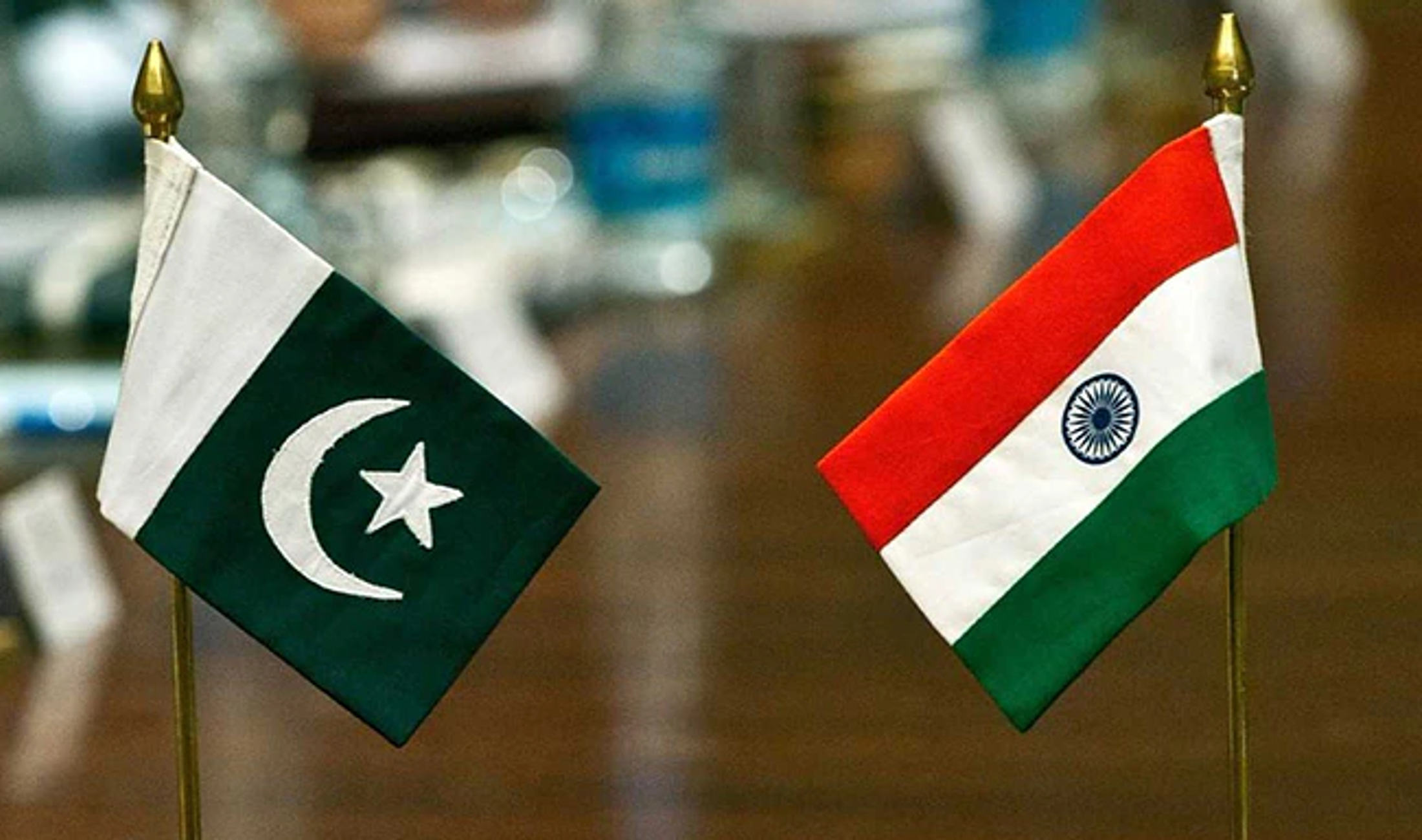
India has lodged a formal diplomatic protest with Pakistan after a Pakistan Navy ship collided with an Indian Navy warship in international waters in the North Arabian Sea. The incident occurred on the evening of September 15, 2026, while the Indian vessel was on a routine surveillance mission.
No major damage was reported. The Ministry of External Affairs summoned Pakistan's Charge d'Affaires in New Delhi on September 16 and described the conduct of Pakistani naval units as "unacceptable and unprofessional." India has also instructed its Charge d'Affaires in Islamabad to lodge a similar protest with Pakistan's foreign ministry.
What happened in the Arabian Sea collision?
According to Indian officials and reporting on the incident, a Pakistan Navy ship approached a frontline Indian Navy warship at high speed while the Indian vessel was carrying out routine surveillance in the North Arabian Sea. Indian officials said the Pakistani ship manoeuvred in an unsafe and unprofessional manner, resulting in a collision.
The collision happened in international waters. The Indian government has not announced casualties or major damage, and the Indian vessel was reported to have continued its mission. The Ministry of External Affairs has not publicly identified the Indian warship involved.
Why India summoned Pakistan's diplomat
India's response moved the incident beyond a routine maritime mishap. On September 16, the Ministry of External Affairs summoned the Charge d'Affaires of the Pakistan High Commission in New Delhi and lodged a strong protest over the conduct that India says caused the collision.
The Pakistani diplomat was asked to convey to authorities in Islamabad that military units need to exercise due care and comply with relevant bilateral agreements to prevent a repeat. India separately directed its top diplomat in Islamabad to raise the issue with Pakistan's Ministry of Foreign Affairs.
What does the 1991 India-Pakistan agreement say?
The Ministry of External Affairs said the Pakistani vessel's conduct was in direct contravention of Article 10 of the April 1991 Agreement between India and Pakistan on Advance Notice on Military Exercises, Manoeuvres and Troops Movements.
The agreement is one of the confidence-building mechanisms intended to reduce the risk of accidental military escalation. Its provisions include safeguards governing military activity and interactions between the two countries' forces. That matters especially at sea, where a navigational incident involving armed vessels can become politically sensitive even when it causes little physical damage.
Was PNS Hunain involved?
Some Indian reporting has identified the Pakistani vessel as PNS Hunain, a Yarmook-class ship commissioned into the Pakistan Navy in 2024. However, the public Ministry of External Affairs statement did not name the ships involved. Until the vessel identities are formally confirmed by the governments or navies, that detail should be treated as reported rather than established by the official statement.
Why the collision matters despite no major damage
The immediate physical consequences appear limited, but the diplomatic significance is larger. India and Pakistan operate military forces in a region where miscalculation can carry serious consequences. Close encounters involving warships can compress decision-making time and make established confidence-building measures particularly important.
India's decision to invoke the 1991 agreement also frames the episode as a military-safety and bilateral-compliance issue rather than simply an accident between two vessels. For now, New Delhi's publicly announced response remains diplomatic: protests in both capitals and a demand that military units observe greater caution.
What happens next?
The next key development will be whether Pakistan issues a detailed public account of the collision or disputes India's description of the manoeuvre. Any official identification of the vessels, damage assessment or naval investigation would also add important context.
Unless new evidence emerges, claims that go beyond the confirmed collision, diplomatic protest and reported lack of major damage should be treated cautiously. The incident is significant because it involved military vessels from two neighbouring nuclear-armed states, but there has been no announcement of further military action stemming from it.