
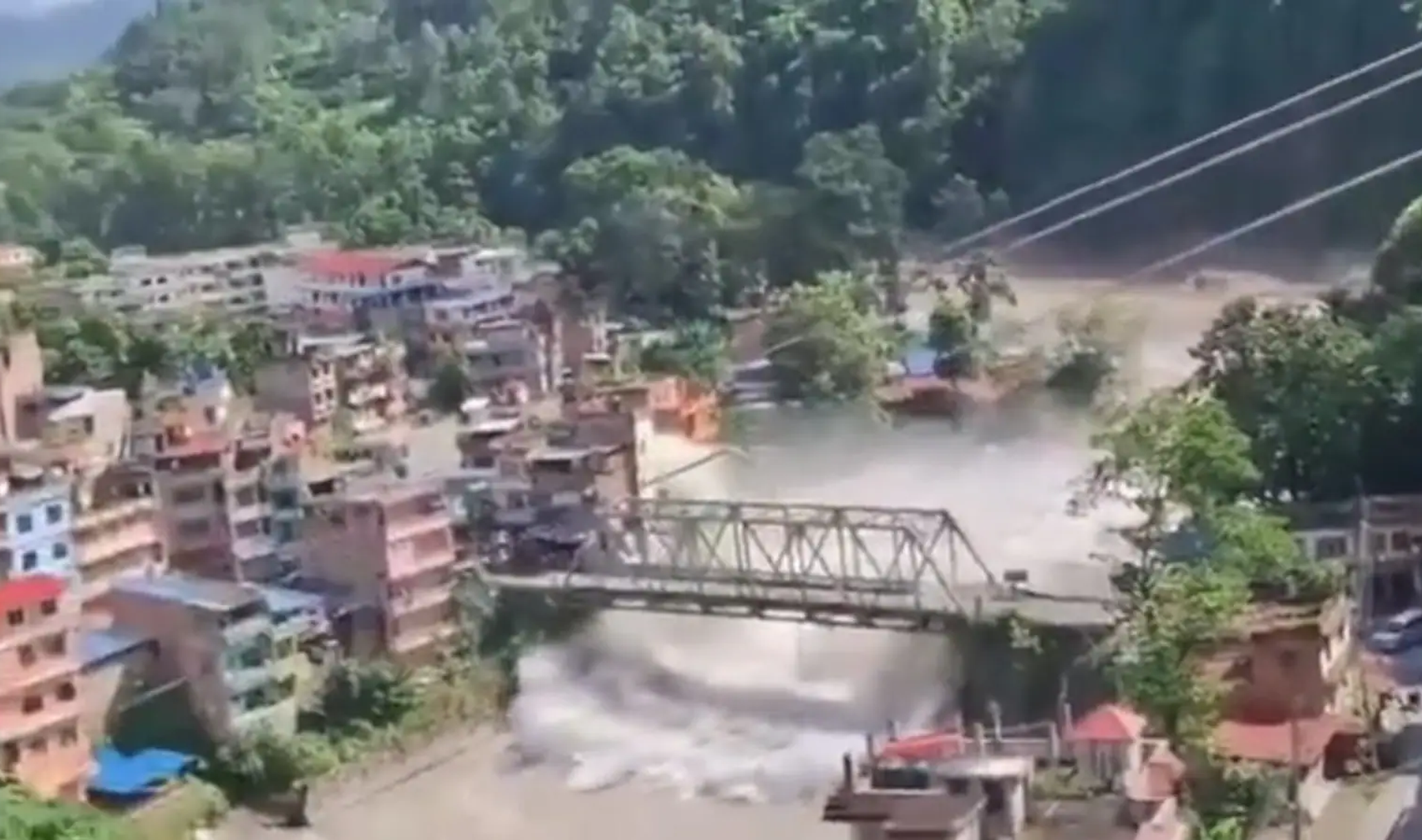
Nepal’s catastrophic Himalayan flash floods have become far deadlier than the first official reports suggested. By Saturday, August 29, Nepal’s disaster authorities said 626 people had been confirmed dead in the country and 2,426 remained missing. Across Nepal and neighbouring Tibet, the number unaccounted for was approaching 3,000 as families waited for news and rescue teams struggled with mud, damaged roads and poor flying weather.
The disaster struck on August 26 after a massive collapse of ice, rock and debris in the high Himalayas sent a destructive surge through river valleys near the Nepal-Tibet border. Entire communities, bridges, roads and hydropower infrastructure were hit. What began as a fast-moving rescue operation has now become a much larger humanitarian and reconstruction crisis.
Nepal floods latest: death toll rises to 626
The latest confirmed figures represent a dramatic rise from the 95 deaths reported when this article was first published. Associated Press reported that Nepal’s death toll had reached 626, with 2,426 people missing in the country. Reuters reported that seven people had also died in Tibet and that nearly 3,000 people were still missing across the wider disaster zone.
The missing-person figure remains fluid because communications have been disrupted and authorities are still reconciling lists from families, workplaces, tour operators and local administrations. Hundreds of foreign nationals are among those unaccounted for, including many pilgrims and travellers from India and other countries.
Bad weather is now slowing rescue operations
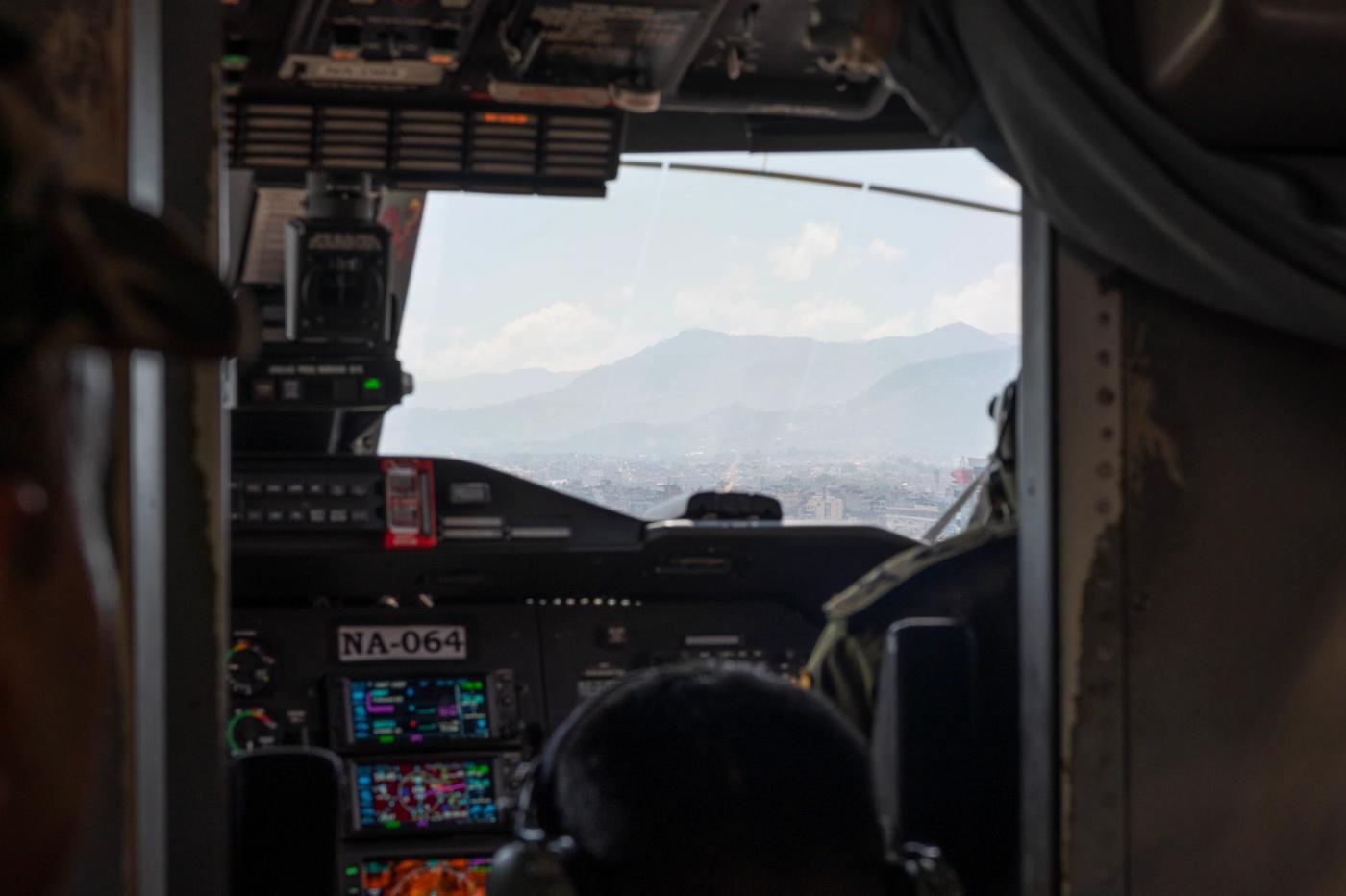
Rescuers have been working in exceptionally difficult conditions. Thick mud, unstable slopes, washed-out roads and damaged bridges have restricted access to some of the worst-hit locations, while poor weather forced helicopter operations to pause. That has made it harder to evacuate survivors and search isolated valleys.
One of the most urgent rescue efforts is at the Upper Trishuli-1 hydropower project in Rasuwa, where authorities believe more than 100 people may be trapped in a tunnel filled with mud and debris. Technical tunnel-rescue capability has therefore become one of Nepal’s priority needs.
Nepal is seeking technical help rather than broad foreign rescue teams
Nepal initially said its own security forces could handle search-and-rescue operations, even as multiple countries offered assistance. The government has now clarified that it needs specialised international support in specific areas rather than large external rescue deployments.
Foreign Minister officials have identified tunnel rescue, restoration of transport and communications, temporary bridge construction, DNA identification and body storage among the areas where outside expertise and equipment could help. India has already delivered relief supplies and has offered technical support, while Nepal is also coordinating with China and other international partners.
What caused the Nepal flash floods?
Evidence now points more strongly to a glacier-related collapse as the trigger. Satellite imagery and expert analysis indicate that a large mass of ice and rock broke away in the Langtang region, sending debris into the river system and creating a destructive flood wave. Earlier reports had treated this as one of several possibilities; by August 29 it had become the leading explanation cited by major international reporting.
Scientists are still examining the sequence of events and whether factors such as recent heat, slope instability or seismic activity contributed to the collapse. Climate change is increasing instability in many high-mountain environments, but attributing the precise trigger of one disaster requires detailed scientific study.
New glacial lakes are creating a second flood risk
The immediate danger has not completely passed. Authorities are monitoring newly formed or expanding lakes created by landslides and glacial debris because a sudden breach could send another surge downstream. UN humanitarian agencies have warned of cascading hazards as damaged terrain, blocked rivers and unstable slopes continue to evolve.
More than 90,000 people need assistance
The crisis extends far beyond the confirmed casualties. The Red Cross has estimated that more than 90,000 people are directly affected and in urgent need of assistance. Six health facilities have been reported damaged, while displacement and disrupted water and sanitation services are raising concerns about disease and access to medical care.
Thousands of children have also been affected, according to humanitarian agencies. Schools, homes and local services have been damaged across parts of the disaster zone, which means recovery will require more than restoring roads and power lines. Temporary shelter, clean water, healthcare, food supplies and family-reunification services will remain critical.
Why the disaster matters to India
India’s involvement is significant because the two countries share an open border, close family ties and major tourism and pilgrimage links. Indian nationals are among the foreigners reported missing, while New Delhi has already sent humanitarian supplies and offered additional technical assistance.
The disaster also highlights a broader regional challenge for India, Nepal, Bhutan and China: Himalayan infrastructure is increasingly exposed to glacier instability, landslides, extreme rainfall and sudden river surges. Roads, hydropower projects and border trade routes are often concentrated in narrow valleys where a single event can disrupt entire networks.
Nepal estimates rebuilding could cost $4 billion to $5 billion
Nepal’s finance minister told Reuters that reconstruction could require roughly $4 billion to $5 billion. That would be close to a tenth of the country’s economy, making the floods a major economic shock as well as a humanitarian disaster.
Hydropower, tourism, transport and local commerce are among the areas likely to face prolonged disruption. Nepal depends heavily on remittances and tourism, while damaged power stations and transmission infrastructure could complicate energy supply and investment plans. A full damage assessment will take time because some locations remain inaccessible.
What happens next
The immediate priority remains finding survivors and reaching people who are still cut off. Weather conditions will determine how quickly helicopter operations can resume, while specialist teams are expected to focus on tunnels, blocked roads and unstable river systems.
Officials will also continue monitoring glacial and landslide-formed lakes for signs of another breach. At the same time, Nepal is moving from emergency response toward planning a multiyear reconstruction effort that will require international financing, engineering support and stronger disaster-resilience standards.
The bottom line
The Nepal floods are now one of the deadliest Himalayan disasters in years. The confirmed toll of 626 deaths in Nepal and thousands still missing shows how quickly an extreme high-altitude event can turn into a national emergency. Rescue work remains active, but poor weather, unstable terrain and the possibility of secondary flooding mean the crisis is still developing.
Sources
Latest reporting and humanitarian updates: Reuters on rescue and technical assistance, Reuters on reconstruction costs, Associated Press on the latest casualty and missing-person figures and UN humanitarian agencies on continuing flood risks and humanitarian needs.