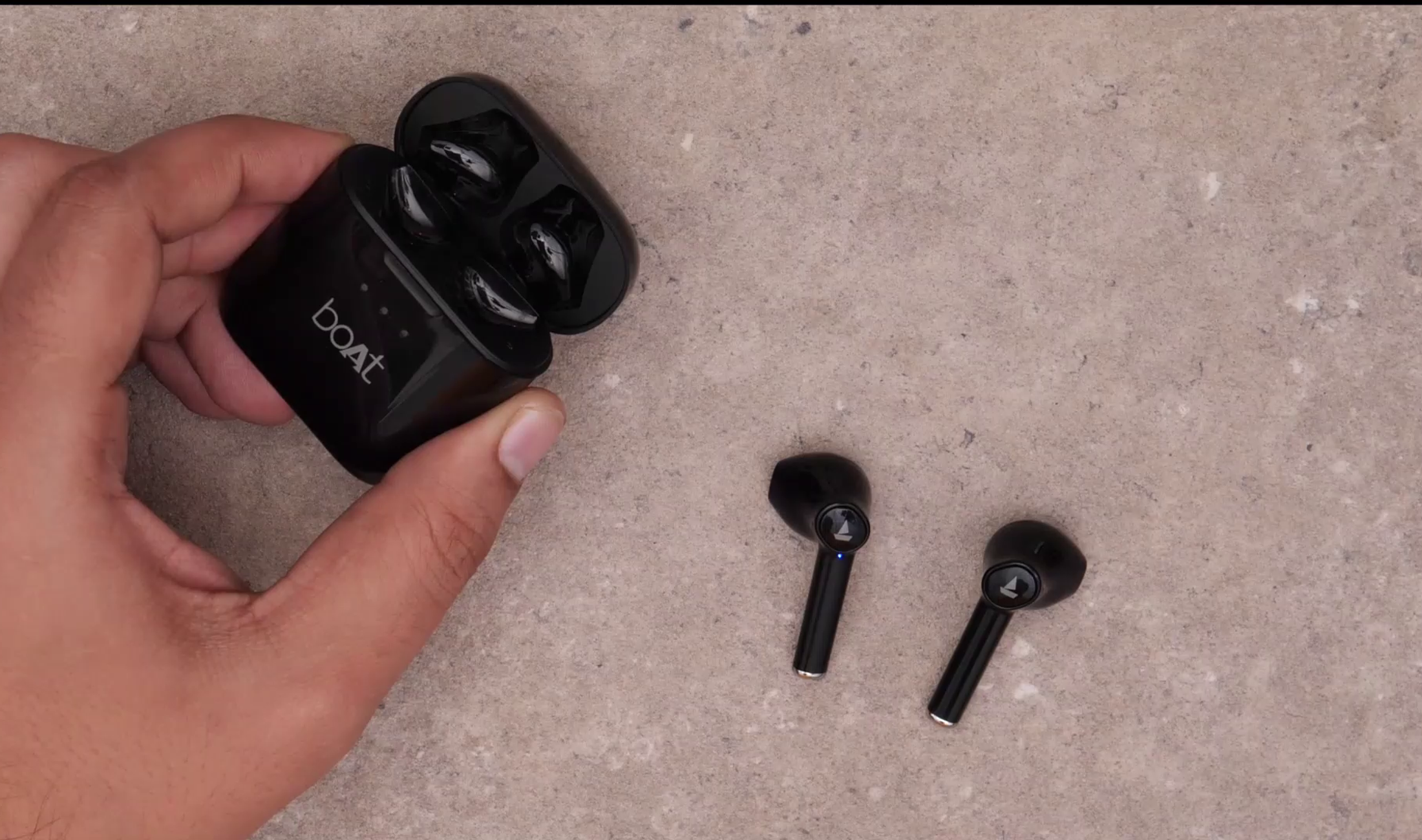
boAt is pushing beyond conventional earbuds and speakers with Crest AI, a new smart-audio platform built with Google Gemini and Google Cloud. The company says its next-generation audio devices will support natural voice conversations, language translation, device control and hands-free access to services such as Gmail, Google Tasks and Google Calendar.
For Indian buyers, the important part is not simply that another gadget brand has added an AI label. Crest AI is being positioned around voice, regional language support and everyday tasks, areas where an audio device can be more useful than a screen-first assistant. However, boAt has not yet announced the first Crest AI device models, their prices or when they will go on sale. That makes this a platform announcement rather than a conventional product launch.
What is boAt Crest AI?
Crest AI is boAt’s software and cloud platform for upcoming smart audio products. Imagine Marketing, boAt’s parent company, has partnered with Google Cloud to use Google Gemini, Gemini Live and Google Cloud infrastructure in the platform. The goal is to make compatible audio devices capable of handling longer, more conversational interactions instead of only simple commands such as changing volume or skipping a track.
boAt says Crest AI will understand context, complex queries and regional nuances in real time. Gemini Live is the part intended to make conversations feel more fluid, while Google Cloud provides the infrastructure needed to run the service at scale.
What Crest AI can actually do
Natural voice conversations

The biggest change is the move from command-based assistants toward conversational AI. Instead of memorising rigid phrases, users should be able to ask follow-up questions, change direction during a conversation and request information in a more natural way. boAt describes the experience as covering general queries, music playback, device control, productivity, translation and frequently asked questions.
Crest Translate
Crest Translate is designed for real-time two-way translation. This could be particularly useful in India, where users frequently move between English, Hindi and regional languages in work, travel and family conversations. The companies have not yet published a final list of supported languages or dialects, so buyers should wait for device-specific compatibility details before treating any particular language as guaranteed.
Crest Ask
Crest Ask is the conversational layer intended for questions, learning, brainstorming and general assistance. In practice, this is the feature that could make a pair of headphones or earbuds behave more like an always-available AI companion rather than an audio accessory with a basic voice assistant.
Google Workspace access by voice
boAt also plans to integrate Crest AI devices with Gmail, Google Tasks and Google Calendar. The company has given examples such as asking the assistant to help respond to an email or schedule a meeting. That could make the platform more relevant to commuters and professionals who want to handle lightweight tasks without taking out a phone.
Google has already been expanding Gemini’s reach in India through initiatives such as its Gemini offer for students. Crest AI shows a different direction for the same ecosystem: putting Gemini into devices people may wear for hours each day.
Why Indian languages matter
Voice AI becomes far more useful in India when it works well across accents, code-switching and regional language patterns. Google Cloud India has specifically described voice and vernacular use as an important frontier for AI in the country, while boAt says Crest AI is being designed to understand regional nuances and diverse dialects.
That promise matters, but execution will determine whether it becomes a real advantage. Voice systems can work well in controlled demos yet struggle with noisy streets, mixed-language sentences, strong accents or inconsistent connectivity. Until retail devices are available for testing, claims around conversational quality and dialect handling should be treated as product goals rather than proven real-world performance.
How this differs from normal smart earbuds
Most mainstream earbuds are still purchased for sound quality, comfort, battery life, microphones and active noise cancellation. Our guide to earbuds under ₹2,000 in India reflects how strongly price and core audio performance still shape buying decisions. Crest AI introduces another layer: an assistant that may become part of the reason to choose one audio ecosystem over another.
The concept is closer to ambient computing. Instead of opening an app, typing a prompt and reading a response, the user talks through a device that is already being worn. That can reduce friction for quick tasks, but it also raises practical questions around battery use, microphone quality, cloud latency, mobile data consumption and privacy.
What is still unknown
boAt has not announced the exact products that will launch with Crest AI. There is no confirmed India price, sale date, battery-life impact, subscription requirement or complete list of supported languages for the first devices. It is also unclear which features will require a paired phone and which can work independently through an internet connection.
Those details will matter more than the platform name when buyers compare actual products. A ₹2,000 pair of AI earbuds has a very different value proposition from a premium model priced several times higher. The same applies if advanced Gemini functions require an additional paid plan.
Privacy and account access will be important
Hands-free email and calendar access can be convenient, but it also means the device may interact with sensitive account data. Buyers should look for clear controls around microphone activation, account permissions, voice history, data retention and whether commands can be executed while the device is being worn by someone else.
The companies have not yet published enough device-level detail to judge these questions. They should be part of any buying decision once the first Crest AI hardware reaches the market.
Why the boAt and Google partnership matters
boAt has broad recognition in India’s audio and wearables market, while Google already has the cloud infrastructure and Gemini models required to provide advanced conversational features. That combination gives Crest AI a realistic path to reach mainstream consumers if boAt can bring the technology into affordable products without compromising the basics of audio quality and battery life.
The move also fits a wider shift in India where AI is becoming embedded in products, workplaces and services rather than remaining a standalone chatbot. That broader transition is also reshaping AI roles and skills in India. Consumer hardware is now another front in that change.
Should you wait for Crest AI devices?
There is not enough information yet to recommend waiting for Crest AI hardware if you need earbuds or headphones today. boAt has confirmed the platform and major feature areas, but not the actual products, prices or launch schedule.
If your priority is sound quality, ANC, comfort or battery life, buy based on proven hardware that meets those needs. If you are specifically interested in conversational AI, real-time translation or hands-free Gmail and Calendar access, Crest AI is worth watching until the first devices are announced and independently tested.
What happens next
The next meaningful announcement will be hardware. Buyers should watch for the first Crest AI product names, India pricing, battery specifications, supported languages, connectivity requirements and any subscription terms. Those details will show whether Crest AI becomes a useful mass-market feature or remains a premium experiment.
For now, the partnership is notable because it puts Google’s conversational AI into one of India’s most familiar consumer-audio ecosystems. The idea is compelling. The buying decision should wait for the hardware.