India's food-safety system is under unusually intense scrutiny as regulators increase inspections and enforcement while the debate over warning labels on packaged food moves closer to a crucial legal and policy stage. Reuters reported on September 8 that authorities have been conducting raids and shutting non-compliant food businesses amid growing public concern over hygiene and adulteration.
Why India's food safety crackdown is getting attention
The scale of the problem helps explain the tougher approach. Government data cited by Reuters shows that about one in five food samples tested annually since 2020 was found unsafe or substandard. Nearly 8,000 food licences were revoked over the past three years. That makes the current drive more than a series of isolated local raids: it reflects a broader attempt to improve compliance across the food chain.
Headline Thread recently reported on a Maharashtra FDA raid in Navi Mumbai involving alleged fake expiry dates on branded food exports, an example of the type of enforcement action now drawing wider public attention.
What regulators are doing
Enforcement can include inspections, sample testing, licence suspension or revocation and shutdowns when businesses fail to meet applicable standards. The current push has included both street-food operators and larger food businesses, widening its relevance for consumers as well as restaurants, manufacturers and retailers.
The warning-label fight is a separate but connected issue
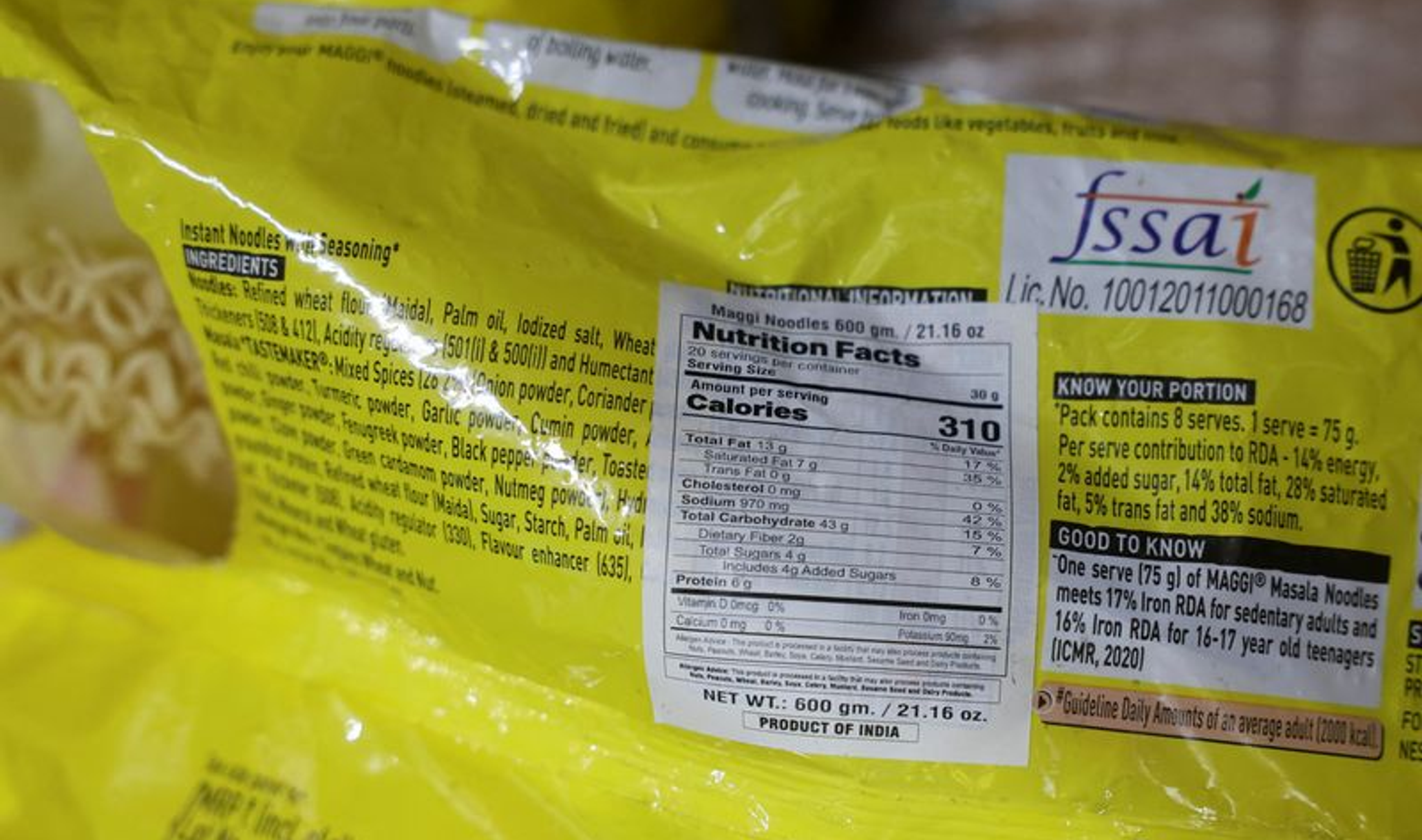
Alongside enforcement, India is debating how prominently packaged foods should warn consumers about high levels of sugar, salt and fat. FSSAI's proposed red warning-label system has attracted criticism from different directions: sections of industry argue that strict labels could unfairly stigmatise products, while public-health advocates argue that the proposed system may not go far enough.
The Supreme Court is expected to examine the issue, increasing the likelihood that front-of-pack labelling remains a significant consumer-policy story rather than a technical regulatory debate.
What this means for consumers
For consumers, tougher enforcement can improve accountability, but a raid or failed sample does not automatically mean every product from a business is unsafe. The useful approach is to pay attention to official notices, check packaging and expiry information, buy from reputable sellers and report suspected adulteration or serious hygiene violations through official channels.
What food businesses need to watch
The enforcement trend raises the cost of weak compliance. Businesses need accurate labelling and date information, appropriate storage, hygienic handling, valid licensing and records that can withstand inspection. If front-of-pack rules are finalised, packaged-food companies may also face meaningful design and compliance changes.
What happens next
Two tracks now matter: whether state and central regulators sustain the current intensity of inspections, and what final shape India's front-of-pack warning-label framework takes. Court scrutiny and continued enforcement mean both questions could produce further developments in the coming weeks.
The larger shift is clear. Food safety is becoming a more visible consumer issue in India, with enforcement, labelling and public accountability increasingly converging in the same national debate.