More than half of India is now experiencing some degree of drought as the 2026 southwest monsoon enters its final weeks, sharpening concerns over standing kharif crops and the soil moisture farmers will need for winter sowing.
The India Drought Monitor developed by IIT Gandhinagar’s Water and Climate Lab shows 53.2% of the country’s landmass under drought conditions as of September 9, up sharply from about 46% a week earlier. The deterioration comes during an El Nino-affected monsoon that had already left India with a substantial seasonal rainfall deficit.
How severe is the drought in India right now?
The headline 53.2% figure includes different levels of drought intensity. According to the latest drought-monitor data cited by The Economic Times, 33.4% of India is under moderate drought or worse, 15.4% is under severe drought or worse and 3.8% is under extreme drought. About 0.1% is classified as exceptional drought.
Those figures describe drought conditions across land area, not a forecast that every affected district will lose crops. Local irrigation, reservoir access, crop choice and late-season rain can all change the agricultural impact. But the rapid expansion in drought coverage is an important warning because it is arriving close to harvest for some kharif crops and before rabi planting begins.
Why El Nino has made the 2026 monsoon difficult
India Meteorological Department had warned before the season that the 2026 southwest monsoon was likely to be below normal. Its April long-range forecast put nationwide seasonal rainfall at 92% of the long-period average, with a model error of plus or minus 5%. The long-period average for June to September is 87 cm.
El Nino, the periodic warming of the central and eastern tropical Pacific, can weaken or disrupt the Indian monsoon, although the relationship is not automatic in every year. In 2026, weak and uneven rainfall has repeatedly affected important farming regions. By September 10, the all-India monsoon deficit was reported at about 15%, with nearly half of districts facing deficient rainfall.
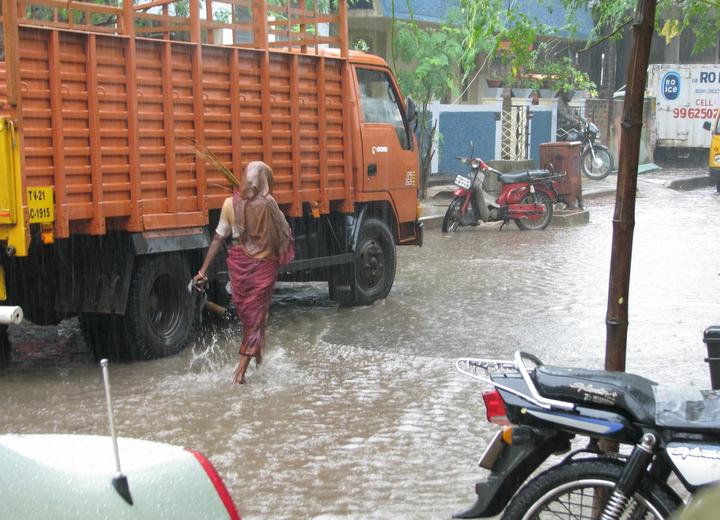
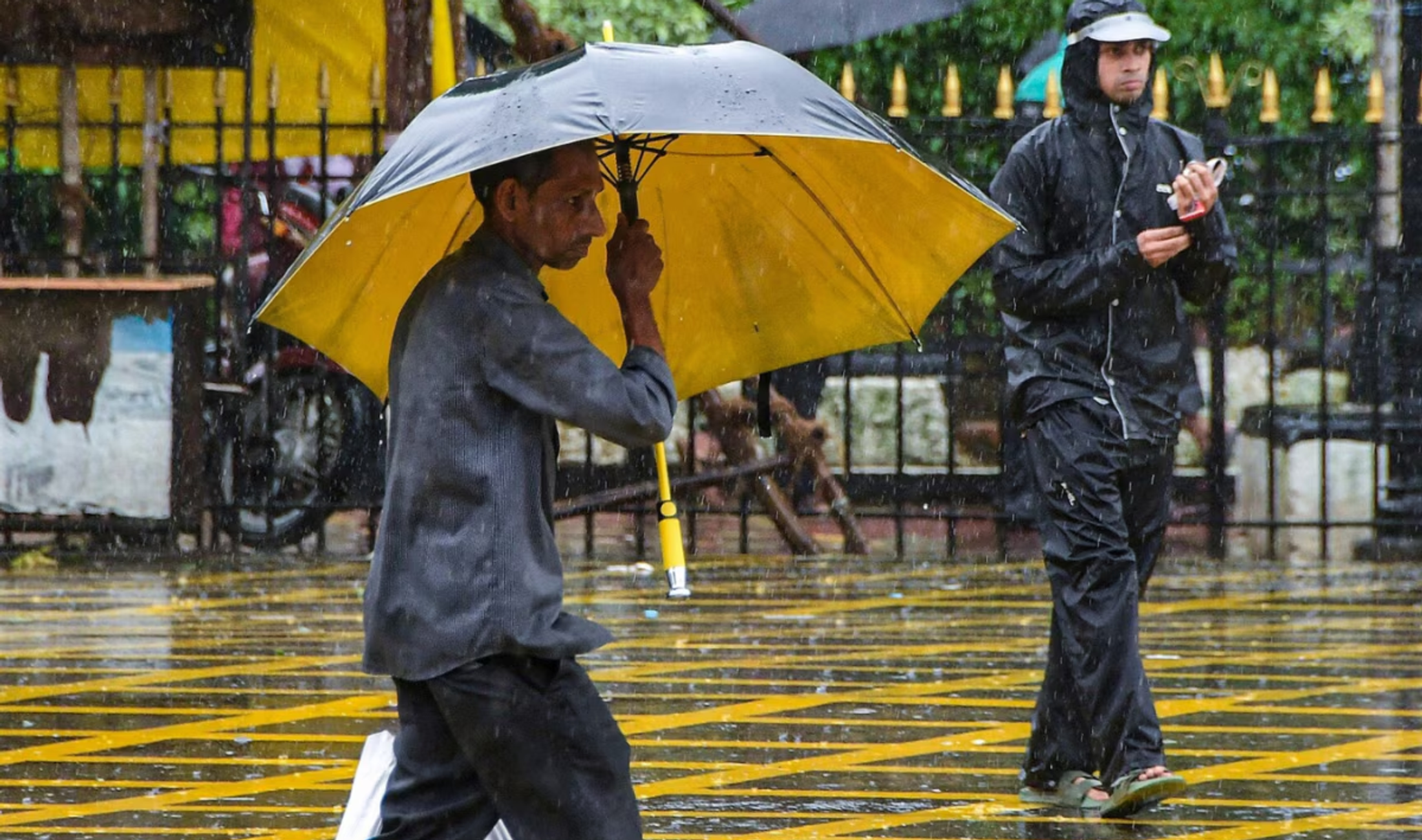
Late bursts of very heavy rain do not necessarily reverse that seasonal problem. Gujarat and north Madhya Maharashtra, for example, received warnings for isolated extremely heavy rain in mid-September. A region can experience damaging short-duration downpours while the wider season still leaves inadequate soil moisture across agricultural districts.
Which crops are most exposed?
Kharif sowing had reached 1,086.31 lakh hectares by September 4, according to Agriculture Ministry data reported by ET Agriculture. That was close to normal overall, but still about 2% below the seasonal benchmark. The crop mix is more important than the aggregate number.
Paddy acreage was 3.7% lower than a year earlier at 421.82 lakh hectares, with declines across several major producing states. Oilseed acreage was also slightly lower. Pulses and some coarse cereals have performed better on acreage, but yields will still depend on rainfall distribution, soil moisture and conditions through harvest.
The drought also matters for commodities already facing price pressure. Headline Thread has tracked how sugar prices in India remain elevated ahead of the festival season, while weak rainfall can influence the outlook for crops including pulses, oilseeds, cotton and sugarcane.
Why winter sowing is the next concern
The immediate risk is no longer only how much rain reaches standing summer crops. Farmers also need enough residual soil moisture for the rabi season, when wheat, mustard, gram and other winter crops are planted. A weak finish to the monsoon can leave rain-fed areas with less moisture just as sowing begins.
Irrigated regions have more protection, but reservoir levels and groundwater availability become increasingly important when rainfall is uneven. If farmers need more irrigation than usual, pressure can shift from the monsoon deficit to water availability later in the agricultural cycle.
Could this push food inflation higher?
Drought does not translate mechanically into higher retail prices. India has buffer stocks, imports, irrigation, state-level interventions and other tools that can soften supply shocks. Crop yields also matter more than planted area alone. Still, prolonged moisture stress can raise the risk of weaker production in sensitive crops and make food-price management harder.
The economic effect can extend beyond food. Lower farm income can weigh on rural demand for two-wheelers, tractors, consumer goods and other purchases. That makes the final monsoon outcome relevant not only to farmers but also to inflation, consumption and India’s broader growth outlook.
What to watch through the rest of September
Three indicators now matter most: whether late-season rainfall reaches the drought-hit agricultural belt, how the final kharif crop and yield estimates change, and whether soil moisture is adequate when rabi sowing accelerates. The drought monitor will also show whether the affected share continues to expand or begins to retreat.
The key point is that isolated heavy-rain episodes should not be confused with a nationwide recovery. India is entering the final stretch of the 2026 monsoon with 53.2% of its landmass under some degree of drought. The next few weeks will determine how much of that weather stress turns into a crop, food-price or rural-demand problem.
Source note: Drought coverage is based on the India Drought Monitor developed by IIT Gandhinagar’s Water and Climate Lab and reported on September 16, 2026. Monsoon outlook and weather references use India Meteorological Department data; crop acreage figures use Agriculture Ministry data reported in September.