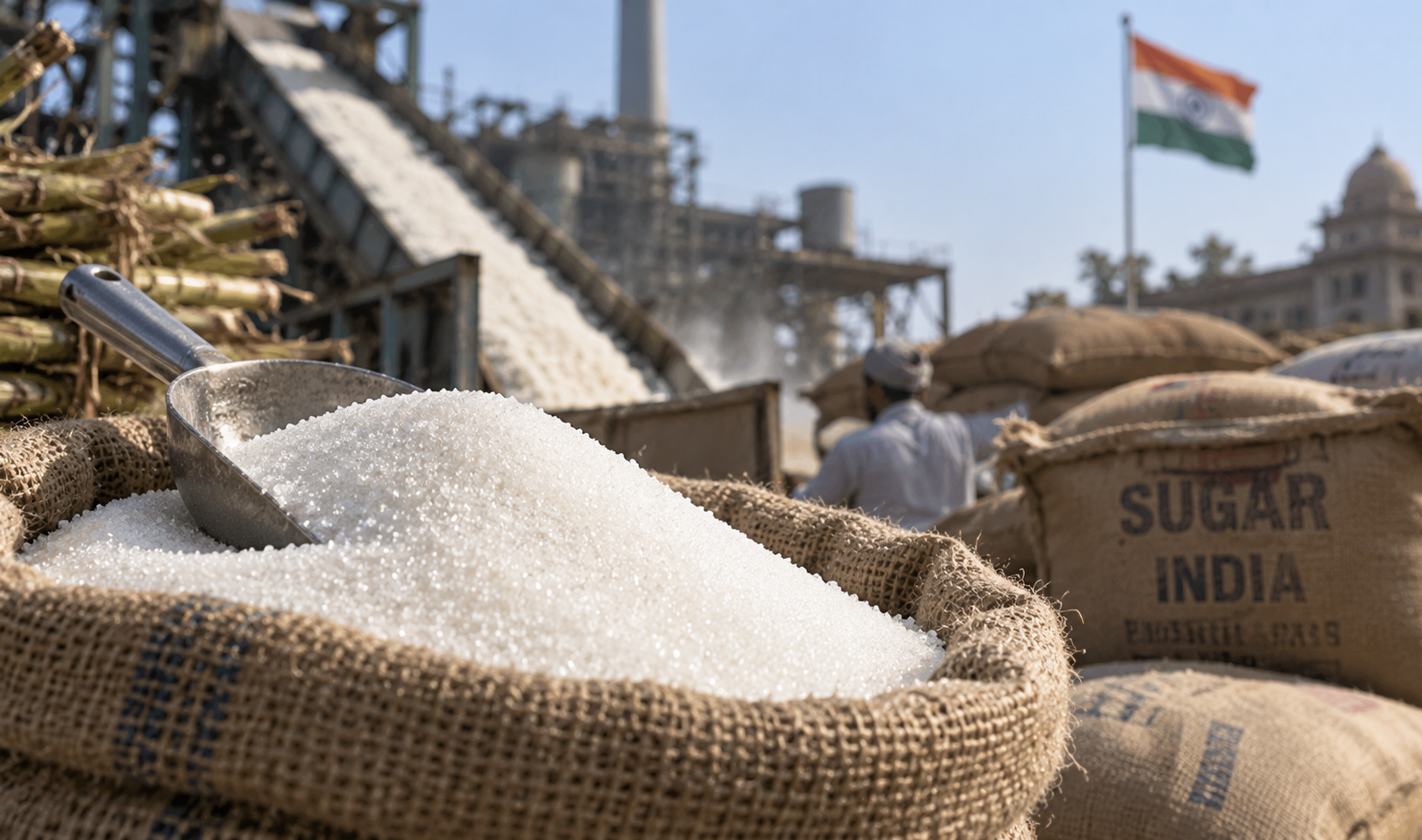
Sugar prices in India remain nearly 20% higher than they were two months ago, prompting the government to tell mills to maintain adequate supplies and keep prices reasonable as the festival season approaches.
The warning came on September 10 after sugar prices hit a record high in August. Ashwini Srivastava, a joint secretary in the food ministry, said the recent surge was driven by hoarding in anticipation of further increases rather than a sudden jump in demand. The government says it is prepared to take corrective measures if prices rise without justification during the festive period.
Why sugar prices in India have risen
India is the world's biggest consumer of sugar, and demand normally strengthens between August and November as households, sweet shops and food businesses prepare for festivals including Ganesh Chaturthi, Dussehra and Diwali. That seasonal demand is arriving after a sharp run-up in prices caused by concerns about domestic supply.
According to the food ministry official, hoarding amplified the pressure. Prices have eased somewhat from last month's record, but they are still close to 20% above where they stood two months earlier. That makes sugar inflation particularly visible just as consumption of mithai, confectionery and packaged foods typically rises.
India is importing sugar from Brazil again
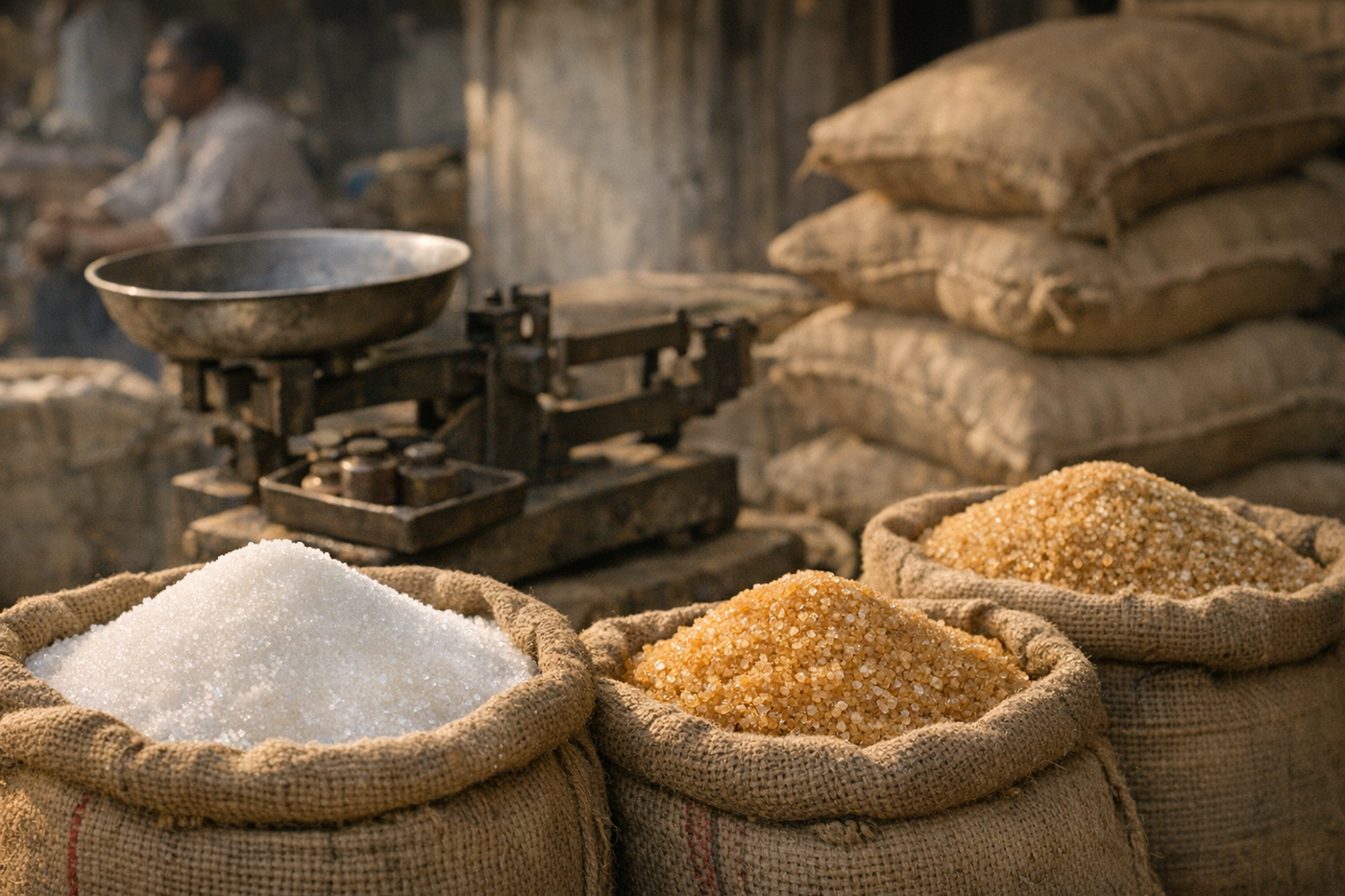
To increase supply, New Delhi has allowed duty-free imports of 1 million metric tons of sugar. Importers have already submitted applications covering about 800,000 tons of that quota. India is also importing sugar from Brazil for the first time in nearly a decade, an unusual reversal for a country that is normally a sugar exporter.
The import decision is intended to give the domestic market additional supply and reduce the incentive to hold stocks back in expectation of higher prices. Whether retail prices fall quickly will still depend on wholesale prices, logistics, inventories and how aggressively mills release sugar into the market.
What the government has told sugar mills
The food ministry has asked mills to ensure sufficient availability during the festival period and sell at reasonable prices. Srivastava said there was no justification for another festival-season increase and described stable prices as a collective responsibility for the sector.
The government also plans to track production and sales more closely. Mills have been asked to provide accurate monthly production and sugar-sale data, giving policymakers a clearer view of supply conditions and allowing intervention if stocks appear to be withheld from the market.
Will sugar prices fall before Diwali?
There is now more downward pressure on prices than there was at the August peak. Record-high prices have already eased, duty-free imports are entering the supply picture and the government has publicly warned the industry against unjustified increases. Those factors can help prevent another sharp spike.
However, consumers should not assume that prices will immediately return to levels seen earlier in the year. Festival demand is strengthening at the same time, and imported supply has to move through the wholesale and retail chain before its full effect is visible. The key near-term signal will be whether prices continue easing as more of the import quota is contracted and domestic mills release stocks.
Why this matters beyond the price of sugar
Food prices feed directly into household budgets and can influence broader inflation expectations. The issue therefore arrives at a sensitive moment for the Indian economy, where policymakers are balancing strong growth with pressure from food, fuel and imported costs.
The cost of imports also matters because the rupee has recently weakened past 95 per US dollar. A weaker currency can make imported commodities more expensive in rupee terms, although the duty-free treatment of the current sugar quota removes one important cost layer.
For shoppers and food businesses, the next few weeks will show whether imports, tighter monitoring and the government's warning are enough to keep sugar prices stable through the peak festival-demand period.