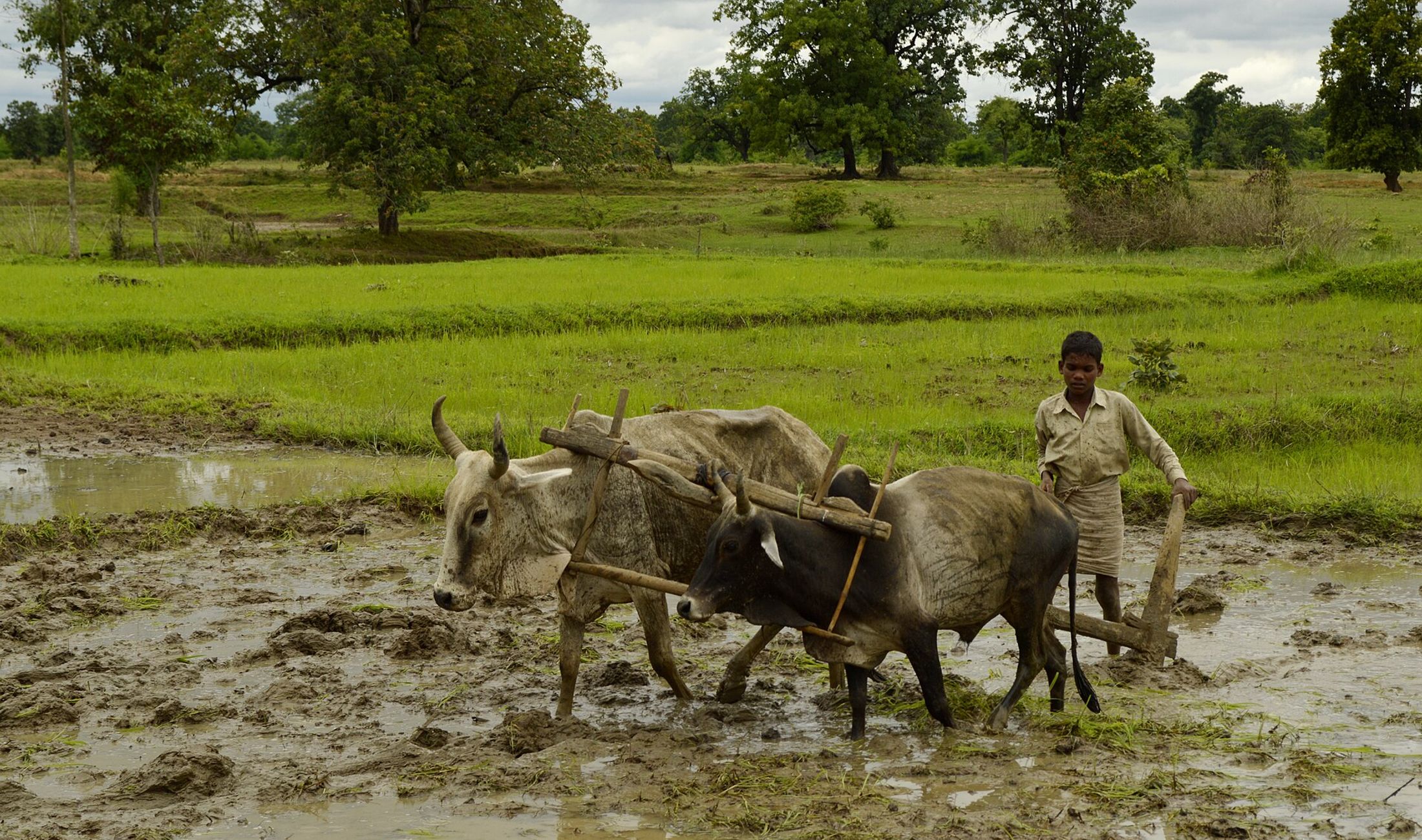
India's rice harvest is heading for its sharpest decline in nearly two decades, with industry estimates pointing to a drop of about 10 million metric tonnes as weak monsoon rainfall hits yields and planted area. The decline could push production to roughly 144 million tonnes, about 6.5% below last year's record 154 million tonnes.
The outlook matters well beyond farms. India is the world's biggest rice exporter, so a smaller crop can affect domestic food prices, government procurement and global rice markets. The immediate risk of a shortage, however, is limited by unusually large government inventories.
How much could India's rice production fall?
Industry officials cited by Reuters estimate 2026 rice output at around 144 million tonnes, down roughly 10 million tonnes from the previous year's record crop. That would be the first annual decline in a decade and the biggest fall since the drought-hit 2009-10 season.
The estimate is not a final government production figure. Crop forecasts can change as harvesting progresses, so the eventual decline could be smaller or larger depending on yields in major producing states.
Why weak monsoon rain is hurting the crop
The production warning follows a difficult 2026 monsoon for Indian agriculture. Reuters reported that rainfall since June 1 has been about 15% below normal nationally, with deficits reaching as much as 42% in some rice-growing areas. The timing is particularly important because insufficient rainfall during crop maturation can reduce yields even where sowing initially took place.
Summer-sown rice acreage was about 42.68 million hectares as of September 11, nearly 4% lower than a year earlier. The summer crop accounts for more than four-fifths of India's rice production, making changes in acreage and yield especially important for the national total.
Will rice prices rise in India?
Some upward pressure is already visible. Lower crop expectations have supported domestic rice prices and pushed export prices higher. A smaller harvest can also encourage farmers producing premium varieties to sell more grain in the open market if prices there are stronger than government procurement rates.
For households, rice is another food-price risk to watch alongside the recent rise in onion prices and elevated sugar prices. That does not mean retail rice prices will automatically jump by 6.5%. The size of government stocks, procurement, distribution through welfare programmes and the mix of rice varieties all influence what consumers eventually pay.
Record government stocks provide a major buffer
The biggest reason the production decline may not turn into an immediate supply crisis is India's stockpile. Government rice reserves, including unmilled paddy, stood at about 59.6 million tonnes on September 1. That is far above the government's October 1 buffer target of 10.3 million tonnes.
Those inventories give policymakers room to release grain if domestic prices rise sharply. They also reduce pressure for sudden export restrictions, although future trade policy will still depend on the final harvest, domestic inflation and procurement levels.
What does this mean for India's rice exports?
India's large reserves mean exporters should still have access to substantial supplies even if production falls. That is important because agricultural shipments remain part of the broader story around India's export growth. The bigger near-term issue may be price competitiveness rather than availability.
If Indian domestic and export prices continue rising, buyers may compare offers more closely with Thailand, Vietnam and other suppliers. At the same time, tighter Indian supply can itself support international prices because of the country's dominant position in global rice trade.
What happens next
The next important signals will be actual harvest yields, government procurement and retail price movement. Reservoir levels will also matter for the winter-sown rice crop, especially if water availability remains tight after the weak monsoon.
For now, the picture is unusual: India may suffer its biggest rice-production decline since 2009-10 while simultaneously holding enough stocks to absorb much of the immediate shock. That buffer makes a near-term shortage less likely, but a weaker crop still raises risks for food inflation, farmer selling decisions and export prices into 2027.