India has started stricter enforcement of the limit on how many mobile connections one person can hold. From August 24, 2026, telecom operators have been directed to identify subscribers who have already reached the permitted number of SIM cards and stop them from obtaining additional connections.
The important detail is that the nine-SIM ceiling itself is not new. What has changed is enforcement. The Department of Telecommunications is making operators use subscriber information on its Digital Intelligence Platform to detect people who are already at the limit, while a real-time check during enrolment and activation is due to be integrated by November 30, 2026.
For ordinary users, the practical questions are straightforward: how many SIM cards can a person have in India, what happens if you already have too many, how do connections across Jio, Airtel, Vi and BSNL count, and how can you check whether an unknown number is registered in your name? This guide answers those questions.
How Many SIM Cards Can a Person Have in India?
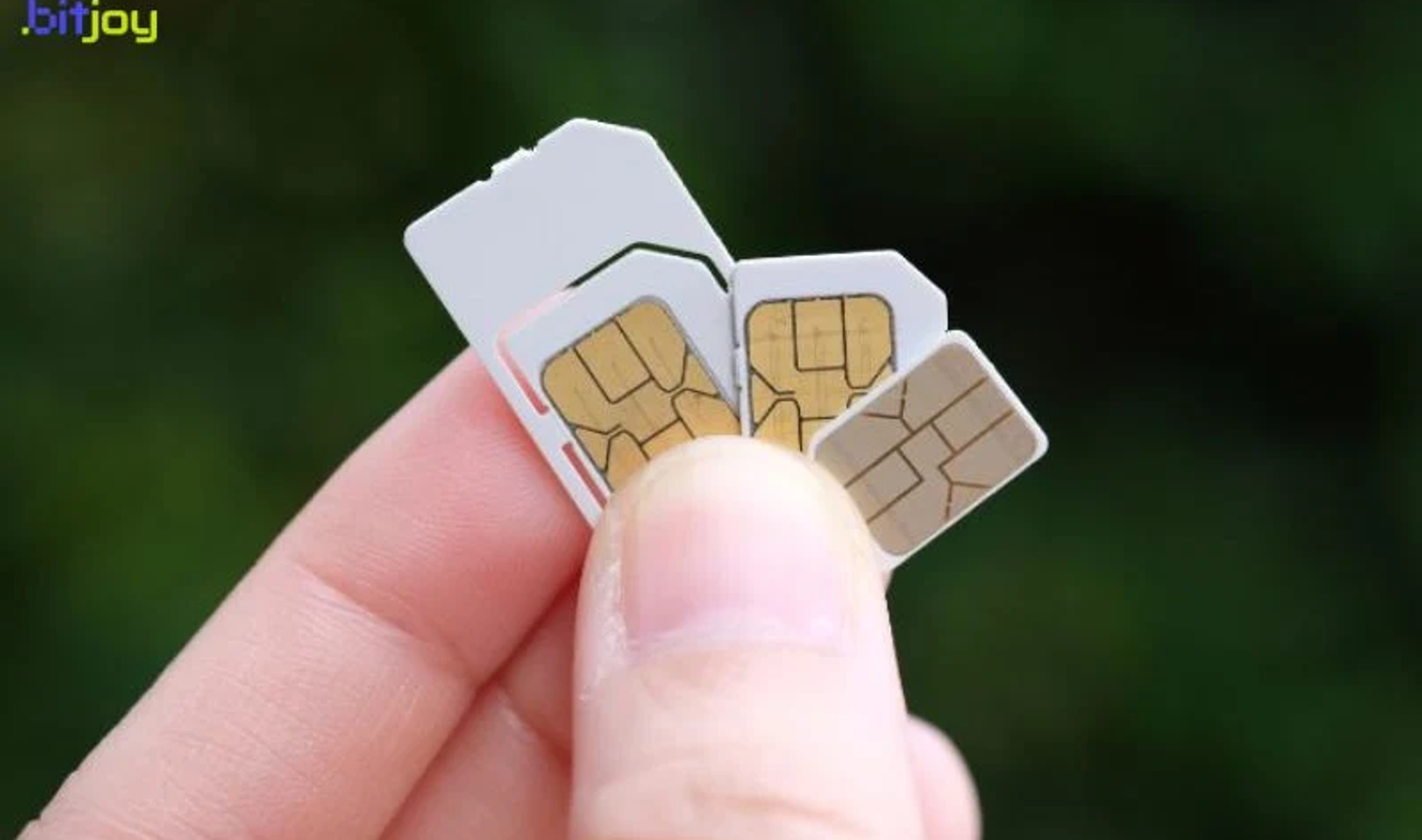
In most of India, an individual can hold a maximum of nine mobile connections in their name across all telecom operators and licensed service areas. The number is a combined cap, not a separate allowance for every operator. Having three Jio numbers, three Airtel numbers and four Vi numbers, for example, would total ten connections and put the subscriber above the normal limit.
A lower ceiling applies in Jammu and Kashmir, Assam and the North-East, where an individual can hold up to six mobile connections. Recent reporting on the DoT instructions confirms that these regional limits continue to apply under the stricter enforcement system.
Government broadcaster Akashvani News reported the DoT direction on August 19, saying operators were instructed to put technical and organisational measures in place from August 24 to prevent subscribers from crossing the prescribed limit.
What Changed From August 24, 2026?
Until now, the existence of a numerical limit did not always mean that every new connection was blocked at the point of sale. The latest instructions focus on making the restriction enforceable across telecom companies by bringing subscriber records together for verification.

The Digital Intelligence Platform, or DIP, contains subscriber information supplied by telecom service providers. DoT has directed operators to use that data to identify customers who have already reached the allowed number of mobile connections. Representative subscriber photographs of people at the prescribed limit were also to be made available on the platform from August 23 to assist identification.
The system is being introduced in stages. During the initial post-facto phase, a connection may be checked after enrolment. If a SIM is activated beyond the permitted limit during that period, operators are required to suspend the excess connection until the issue is resolved. By November 30, telecom companies are expected to integrate the check into the real-time enrolment and activation process so an ineligible connection can be stopped before activation.
Is the Nine-SIM Limit a New Rule?
No. The cap on the number of mobile connections an individual can hold has existed for years. The August 2026 change is primarily about stronger, cross-operator enforcement rather than suddenly reducing the number of SIM cards people are allowed to own.
That distinction matters because some reports describe the development as a new nine-SIM rule. For users, however, the practical effect can still feel new if telecom operators previously did not stop an additional connection as consistently. The new Digital Intelligence Platform checks are designed to make the cap harder to bypass by spreading connections across different companies or service areas.
What Happens If You Already Have More Than the Allowed Number?
The latest DoT instructions are intended not only to block new excess connections but also to help operators identify subscribers who are already above the permitted ceiling. Existing numbers identified for re-verification or rationalisation can therefore require action from the subscriber and telecom company.
If you genuinely use several numbers, do not assume that the newest number will automatically be the one you can keep or that every excess connection will disappear without notice. Follow instructions issued by your telecom provider and verify the list of connections registered against your identity. Numbers you do not recognise should be reported rather than simply ignored.
How to Check How Many SIM Cards Are Registered in Your Name
DoT provides the TAFCOP facility through its telecom eServices and Sanchar Saathi ecosystem. The service lets subscribers see mobile connections issued in their name and flag numbers that are not required or were never taken by them.
This is worth checking even if you personally use only one or two SIM cards. Fraudulent or incorrectly registered connections can exist without a subscriber realising it, and an unknown number linked to your identity can create problems when connection limits are enforced or when the number is used for unlawful activity.
When reviewing the list, identify every number you recognise, including secondary phones, tablets, data devices and old connections that may still be active. If a number is unfamiliar, use the available reporting process rather than contacting the unknown user yourself.
Why Is DoT Enforcing the SIM Limit More Strictly?
The broader objective is telecom security and fraud prevention. Mobile numbers are used to authenticate bank accounts, messaging services, UPI apps and numerous digital services, which makes fraudulent SIM acquisition valuable to cybercriminals. Large pools of connections obtained using fake, stolen or misused identities can support phishing, impersonation, spam and financial scams.
The scale of DoT's anti-fraud effort is already significant. In a February 2026 Press Information Bureau update, the government said 39.43 lakh mobile connections had been disconnected and described DIP as a platform for preventing misuse of telecom resources in cybercrime and financial fraud.
A numerical cap does not stop telecom fraud by itself, but cross-operator visibility makes it harder for one identity to accumulate large numbers of consumer connections without being detected. The representative-photo system is another attempt to make identity checks more consistent when a subscriber is already at the limit.
Do Jio, Airtel, Vi and BSNL Have Separate Limits?
No. The permitted limit applies across telecom service providers rather than resetting for each company. A subscriber cannot legally multiply the allowance by opening accounts with different operators. Connections across operators and licensed service areas are considered together for the individual subscriber.
That is one reason a central intelligence platform is useful. Individual operators naturally have detailed records of their own customers, but enforcing an overall limit requires visibility beyond a single company's subscriber database.
What About Business and Corporate Mobile Connections?
The consumer limit should not be confused with business-connection frameworks used by companies and organisations. Corporate connections can follow separate documentation and authorisation requirements because an organisation may legitimately need many numbers for employees or operations. Businesses should rely on the applicable telecom rules and their provider's enterprise onboarding process rather than trying to register large pools of connections as ordinary individual subscriptions.
What Do You Need to Declare When Applying for a New SIM?
The DoT instructions require subscribers to declare the mobile connections already held in their name across telecom operators and licensed service areas in the Customer Application Form. The declaration supports the operator's verification process and reduces the possibility of a subscriber presenting each new application as if it were their only connection.
Users should provide accurate information. Trying to work around the limit by using another person's identity can create serious ownership and security problems for both people, particularly because the registered subscriber may ultimately be responsible for verification when the number is flagged.
India's Mobile Ecosystem Is Getting More Regulated
The SIM-card enforcement change arrives while India is reshaping several parts of its mobile ecosystem. The government has also introduced a new ₹62,500 crore manufacturing programme aimed at increasing domestic value addition and Indian-owned capability. Headline Thread has a detailed explainer on India's Mobile Phone Manufacturing Scheme and what it could mean for manufacturers and consumers.
For buyers looking at new devices, we have also compared the Pixel 11 and Pixel 11 Pro in India, including pricing, cameras, AI features and long-term software support.
Frequently Asked Questions
How many SIM cards are allowed per person in India?
An individual can generally hold up to nine mobile connections across operators and service areas. The limit is six in Jammu and Kashmir, Assam and the North-East.
Did the government introduce the nine-SIM limit on August 24, 2026?
No. The numerical limit existed earlier. The August 24 change strengthens how telecom operators identify subscribers at the limit and prevents additional connections from being issued.
Can I have nine SIM cards from Jio and another nine from Airtel?
No. The limit is combined across telecom operators. Switching providers or using multiple operators does not create a separate allowance.
How can I find unknown SIM cards registered in my name?
Use DoT's Sanchar Saathi or TAFCOP service to review mobile connections issued in your name and report connections you do not recognise or no longer need.
What Happens Next?
The main implementation milestone is November 30, 2026. By then, telecom operators are expected to integrate the limit check into their real-time enrolment and activation systems. That should reduce the temporary gap in which a connection can be enrolled and only identified as excess afterward.
For subscribers, the simplest action is to check the connections registered in their name now, especially if they have changed operators repeatedly, maintained several secondary numbers or suspect that their identity may have been misused. The stricter system is mainly an enforcement upgrade, but it makes accurate subscriber records much more important.
The bottom line: most individuals in India can have up to nine mobile connections, while the cap is six in Jammu and Kashmir, Assam and the North-East. From August 24, operators have stronger instructions and new Digital Intelligence Platform tools to enforce those limits. If you are unsure how many numbers are linked to your identity, checking Sanchar Saathi or TAFCOP is the safest place to start.