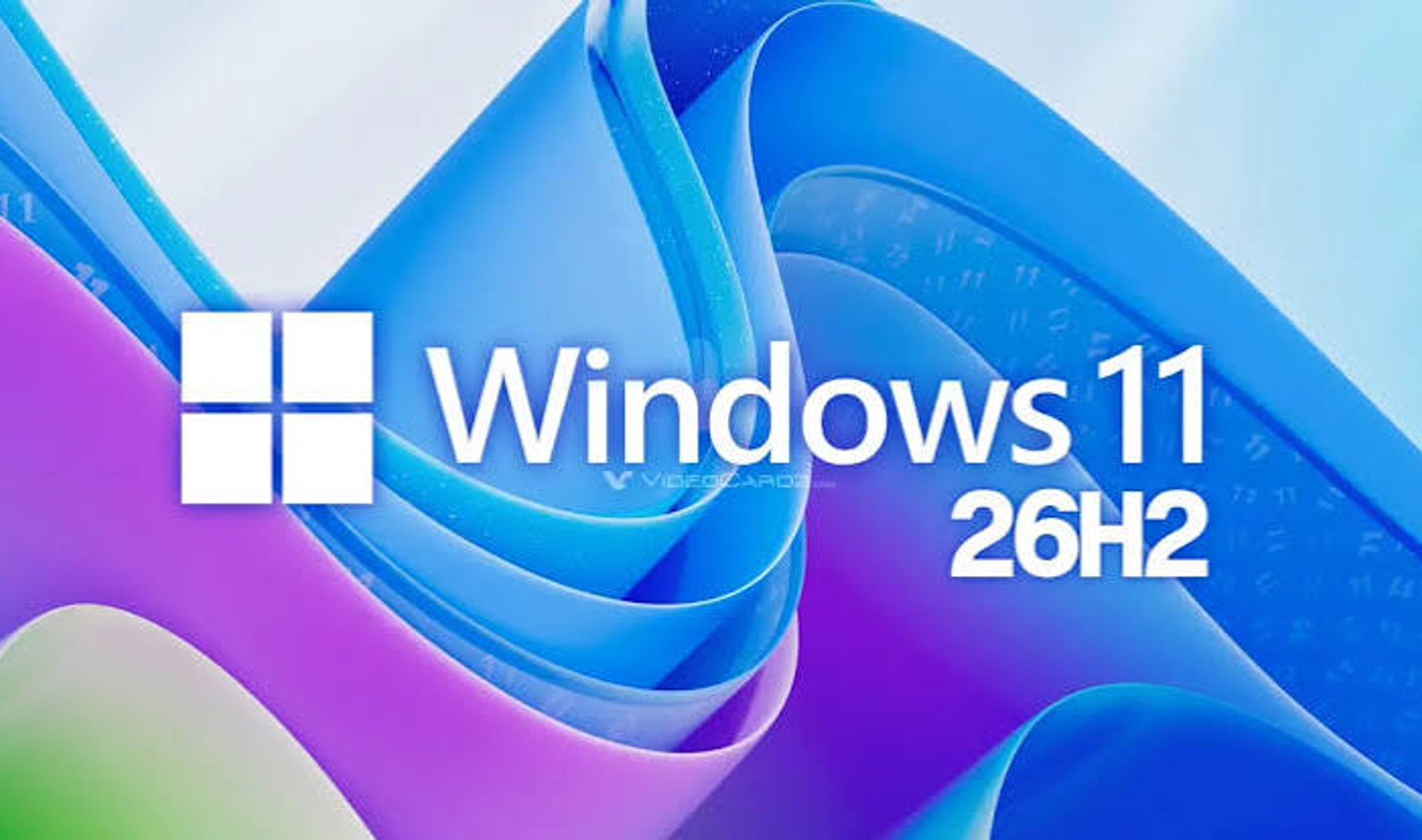
Microsoft has moved Windows 11 version 26H2 into the Release Preview Channel, putting the next annual Windows 11 update into its final broad testing stage before general availability later in 2026. The update is Build 26300.9278 for Release Preview testers, according to Microsoft’s Windows Insider team.
Microsoft says Windows 11 26H2 will be delivered as an enablement package, rather than as a completely separate operating-system platform. That distinction matters because versions 24H2, 25H2 and 26H2 share the same servicing branch and receive many of the same features through Microsoft’s continuous-update model.
For everyday PC users, including people buying or using Windows laptops in India, the practical message is simple: 26H2 looks more like a relatively lightweight annual version transition than the kind of disruptive platform jump that historically accompanied some major Windows releases. It is still an operating-system update, but Microsoft is deliberately building it on the same underlying branch as recent Windows 11 versions.
What Microsoft Has Confirmed About Windows 11 26H2
The most important confirmed development is the move to Release Preview. In Microsoft’s Insider programme, Release Preview is intended for builds that are much closer to what regular users may eventually receive than experimental Dev or Canary builds.
Microsoft has not announced a precise public rollout date in its August 27 post. It says only that 26H2 is being previewed ahead of general availability later this calendar year. Any exact September or October release date should therefore be treated as expectation rather than confirmed timing until Microsoft publishes it.
How Windows 11 26H2 Is Different From a Typical Major Upgrade
The key technical detail is the enablement package, often shortened to eKB. Instead of replacing large parts of the operating system with a new platform base, an enablement package activates the next version on a shared servicing branch. Microsoft says 24H2, 25H2 and 26H2 share that branch.

That should make the transition more familiar for people already running a recent supported Windows 11 release. It also means that many capabilities associated with 26H2 may not be exclusive to 26H2. Microsoft explicitly notes that features and improvements are increasingly introduced gradually through monthly updates, so users on earlier supported versions can encounter the same changes before or alongside the annual version update.
This is useful context for buyers comparing new Windows PCs. A laptop should not be judged only on whether the box or product page says 25H2 or 26H2. Hardware quality, processor generation, memory, storage, display, battery life and the manufacturer’s support policy remain more important purchasing factors.
That is especially relevant as newer AI-focused Windows laptops reach India. For example, Headline Thread’s coverage of the Acer Swift Neo AI laptop launch in India shows how hardware capability and pricing can matter more to a buying decision than the exact Windows version preinstalled on launch day.
What New Features Should You Expect?
Microsoft’s announcement does not present 26H2 as a single giant feature drop. Because Windows 11 now uses continuous innovation, many interface and platform improvements arrive independently through monthly servicing. That makes it risky to describe every currently tested Windows feature as a guaranteed 26H2 exclusive.
The safer expectation is that 26H2 will package the latest supported Windows 11 experience into Microsoft’s next annual version baseline while continuing the same rolling feature strategy. Some changes may appear first on 26H2, but Microsoft says the shared branch means much of the experience is common across supported releases.
Should You Install Windows 11 26H2 Right Now?
Most people should wait for the public rollout. Release Preview is the least experimental of the mainstream Insider channels, but it is still a preview channel. Users who rely on a PC for work, college, development, editing or other critical tasks gain little from installing an unreleased annual update solely to get the new version number early.
Enthusiasts and IT professionals who specifically test upcoming Windows releases are the obvious audience. Microsoft directs eligible Release Preview users to Settings, Windows Update and the option to receive the latest updates as soon as they are available. Everyone else can reasonably stay on a supported stable release and wait for Microsoft’s normal deployment process.
What 26H2 Means for Indian PC Users
There is no separate India edition of Windows 11 26H2 announced in Microsoft’s post, and Microsoft has not provided an India-specific rollout date. Indian PCs should therefore follow the broader Windows servicing model, subject to device eligibility, update safeguards and Microsoft’s staged deployment decisions.
For consumers, this means there is no reason to postpone a good laptop purchase merely to wait for a machine advertised with 26H2. A compatible new PC shipping with an earlier supported Windows 11 version may receive the annual update through Windows Update once Microsoft makes it broadly available and the device is cleared for rollout.
For businesses, schools and organisations managing many Windows devices, the Release Preview milestone is more useful. It provides time to validate business applications, security tools, drivers, VPN software and device-management policies before the annual version reaches a broader audience.
The Biggest Advantage: A Less Disruptive Upgrade Path
The strongest argument for Microsoft’s shared servicing model is predictability. When several Windows versions use the same branch, the annual version transition can focus less on replacing the platform underneath users and more on activating the next supported configuration.
That does not guarantee a bug-free rollout. Windows updates can still encounter driver conflicts, application issues or safeguard holds on specific devices. But the enablement-package approach is designed to reduce the scale of change compared with a full platform migration.
The Drawback: Version Numbers Matter Less Than They Used To
The downside of continuous feature delivery is clarity. Consumers searching for “Windows 11 26H2 features” may expect a clean list of capabilities that arrive on one specific day. Microsoft’s current model is less tidy. Features can roll out through monthly updates, appear gradually, or be enabled on multiple supported versions.
For users, the practical approach is to focus on confirmed Microsoft documentation and the actual build installed on a device rather than assuming every feature mentioned in preview reporting is guaranteed to arrive with the 26H2 label.
What Happens Next
Microsoft will continue testing Windows 11 26H2 in Release Preview before opening general availability later in 2026. The next milestones to watch are Microsoft’s confirmed public release date, rollout eligibility details, any known safeguard holds and the final documentation for the annual version.
Until then, 26H2 is best understood as the next annual Windows 11 baseline rather than a dramatic reinvention of the operating system. For most users, that is probably good news: a smaller, more familiar update is often more useful than a headline-heavy upgrade that creates unnecessary compatibility risk.