The Indian rupee climbed to a two-month high on September 3, opening around ₹94.30 to the US dollar after closing at ₹94.97 a day earlier. The move followed a far larger-than-expected $136.4 billion mobilisation through special foreign-currency measures, giving the Reserve Bank of India a much bigger cushion at a time when high crude oil prices and rising US bond yields are putting pressure on import-dependent economies.
The rally is significant because it has come despite difficult global conditions. The rupee has gained more than 1% this week and briefly became one of Asia's stronger-performing currencies. But the same mechanism that brought dollars into India has also created a large future obligation for the RBI, meaning the latest strength should not be read as a one-way move.
Why the Indian rupee strengthened
The immediate driver is an unusually large wave of foreign-currency fundraising by Indian banks. The RBI said special measures announced in June brought in about $136.38 billion by the end of August. Roughly $127.23 billion came through Foreign Currency Non-Resident (Bank), or FCNR(B), deposits, with the remainder coming from overseas and external commercial borrowings.
FCNR(B) accounts allow eligible non-resident Indians to keep term deposits in foreign currencies rather than converting their savings into rupees. Under the special mobilisation effort, banks attracted dollars and other foreign currencies and then swapped much of those funds with the RBI. That strengthened the central bank's access to dollars while releasing rupee liquidity into the domestic banking system.
The scale surprised markets. It gives the RBI greater ability to supply dollars when demand spikes, which can reduce disorderly falls in the rupee. That extra firepower matters because India is a major importer of crude oil and a sudden jump in the dollar or oil price can quickly increase demand for foreign currency.
India's forex reserve cushion is getting larger
India's foreign-exchange reserves had already reached a record $729.3 billion before the latest inflows were fully reflected. Market estimates cited by Reuters suggest reserves could move above $750 billion as the new funds are incorporated.
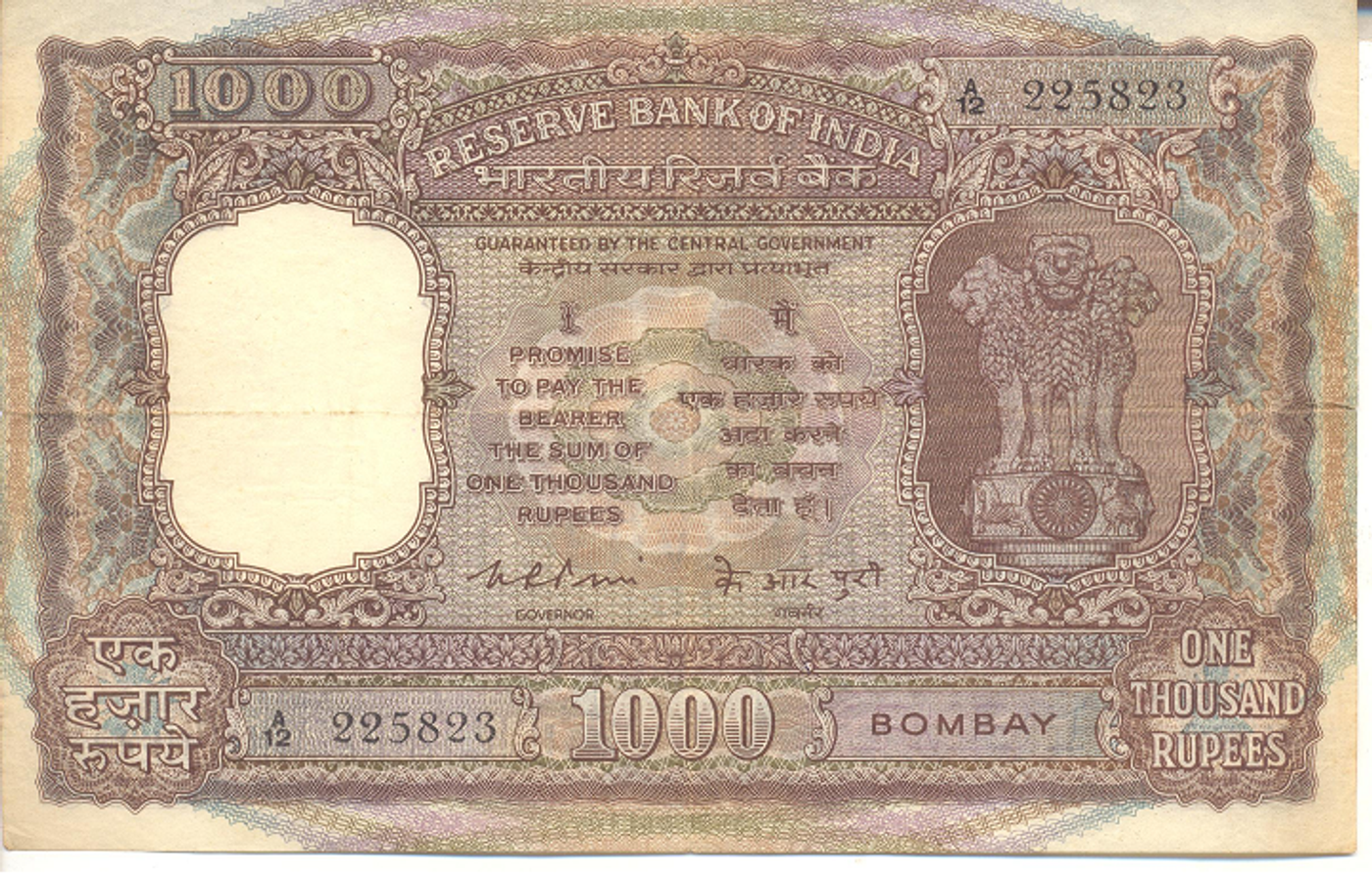
That builds on the reserve position Headline Thread recently examined in India's record forex reserves. A larger reserve stock does not guarantee a stronger rupee, but it gives the RBI more room to smooth volatility and meet sudden dollar demand without exhausting its liquid buffers.
There is also a record amount of rupee liquidity
The other side of the dollar inflow is a flood of rupees into India's banking system. Reuters reported that the system's liquidity surplus reached about ₹9.7 trillion on September 3, exceeding the previous record of ₹9.2 trillion seen in September 2021.
For banks, abundant liquidity can reduce the cost of short-term funding. Three-month certificate-of-deposit rates had already fallen by roughly one percentage point between the end of March and late August, according to Mint. Financial stocks also gained in Thursday trade as investors assessed the implications of the inflows for bank margins and liquidity.
For the RBI, however, too much liquidity creates another policy problem. If overnight market rates fall too far below the central bank's desired range, it may need to absorb cash through variable-rate reverse repos, deposit facilities or other liquidity-management operations.
Why a stronger rupee matters for households and companies
A stronger rupee can lower the local-currency cost of imports, all else being equal. That is particularly important for crude oil, natural gas, electronics components and other goods that India pays for in dollars. It can also reduce costs for Indian travellers and students paying dollar-denominated expenses abroad.
The effect is not automatic or immediate. Retail petrol, diesel and LPG prices depend on several factors beyond the exchange rate, including crude prices, taxes, refining economics and pricing decisions. A rupee rally therefore does not by itself mean fuel prices will fall.
Exporters can face the opposite effect because every dollar of overseas revenue converts into fewer rupees when the domestic currency strengthens. IT services, pharmaceuticals and other export-heavy sectors therefore watch currency moves closely, although companies often hedge part of their exposure.
The rally still faces two major risks
The first is oil. Brent crude has risen sharply amid renewed US-Iran tensions. Higher oil prices increase India's import bill and create fresh dollar demand from refiners and other importers. That demand was already visible on September 3, when the rupee gave up part of its early gains after touching its two-month high.
Oil exposure also matters for India's wider growth outlook. Headline Thread's coverage of ONGC's planned deepwater expansion highlights why increasing domestic energy production remains strategically important even when the currency is relatively stable.
The second risk is the RBI's forward dollar book. Reuters reported that the central bank's future dollar liabilities are already around a record $137 billion and are expected to rise. The swaps that helped attract foreign currency today eventually mature, so the RBI will have to manage those future dollar obligations as well as its headline reserve assets.
What happens next for the rupee
The next phase will depend less on the headline size of the FCNR(B) mobilisation and more on how global risks evolve. Traders will be watching crude oil, US Treasury yields, the Federal Reserve's September decision, foreign portfolio flows and the RBI's intervention in the currency market.
India's recent 7.8% Q1 FY27 GDP growth provides a supportive domestic backdrop, but currency markets can move independently of headline growth when oil, interest rates and geopolitical risks change quickly.
The important change is that the RBI now has a substantially larger foreign-currency buffer than markets expected only a few months ago. That makes it harder for short-term external shocks to destabilise the rupee, but it does not remove the structural pressure created by India's oil imports or the future obligations attached to the central bank's swaps. The September 3 rally is therefore best understood as a stronger defensive position for the rupee, not a guarantee of continuous appreciation.