
The NSE IPO entered Day 2 on Friday, September 18, 2026 after the ₹22,561.57 crore offer was subscribed about 43% on its first day. The issue remains open through September 21, giving investors another trading day after today to decide whether the National Stock Exchange's long-awaited public offer fits their risk tolerance.
The price band is ₹1,700 to ₹1,785 per share and the minimum lot is 8 shares, making the minimum retail application ₹14,280 at the upper end. The IPO is entirely an offer for sale, so the money raised goes to selling shareholders rather than NSE itself.
NSE IPO Day 2 subscription status
Day 1 ended with roughly 43% overall subscription. The non-institutional investor portion was about 72% subscribed, retail was about 44%, and qualified institutional buyers were at about 19%, according to exchange data reported by major market publications. Early Day 2 trackers showed overall demand edging to roughly 45% around 9:10 AM, but subscription figures change throughout the day and should be checked on the live exchange or broker interface before making a decision.
A slow first half of a large IPO does not necessarily predict the final outcome. Institutional investors often place substantial bids closer to the closing date, so the final September 21 subscription mix will be more informative than an intraday Day 2 snapshot.
NSE IPO price, lot size and important dates
NSE is offering about 12.64 crore shares in the ₹1,700-₹1,785 price band. A single lot contains 8 shares, costing ₹13,600 at the lower end or ₹14,280 at the upper end. The issue closes September 21. The basis of allotment is expected on September 22, refunds and demat credit are targeted for September 23, and the shares are tentatively scheduled to list on BSE on September 24.
The structure is important: this is an offer for sale rather than a fresh issue. Existing shareholders are selling shares, meaning NSE does not receive fresh IPO proceeds for expansion or debt reduction.
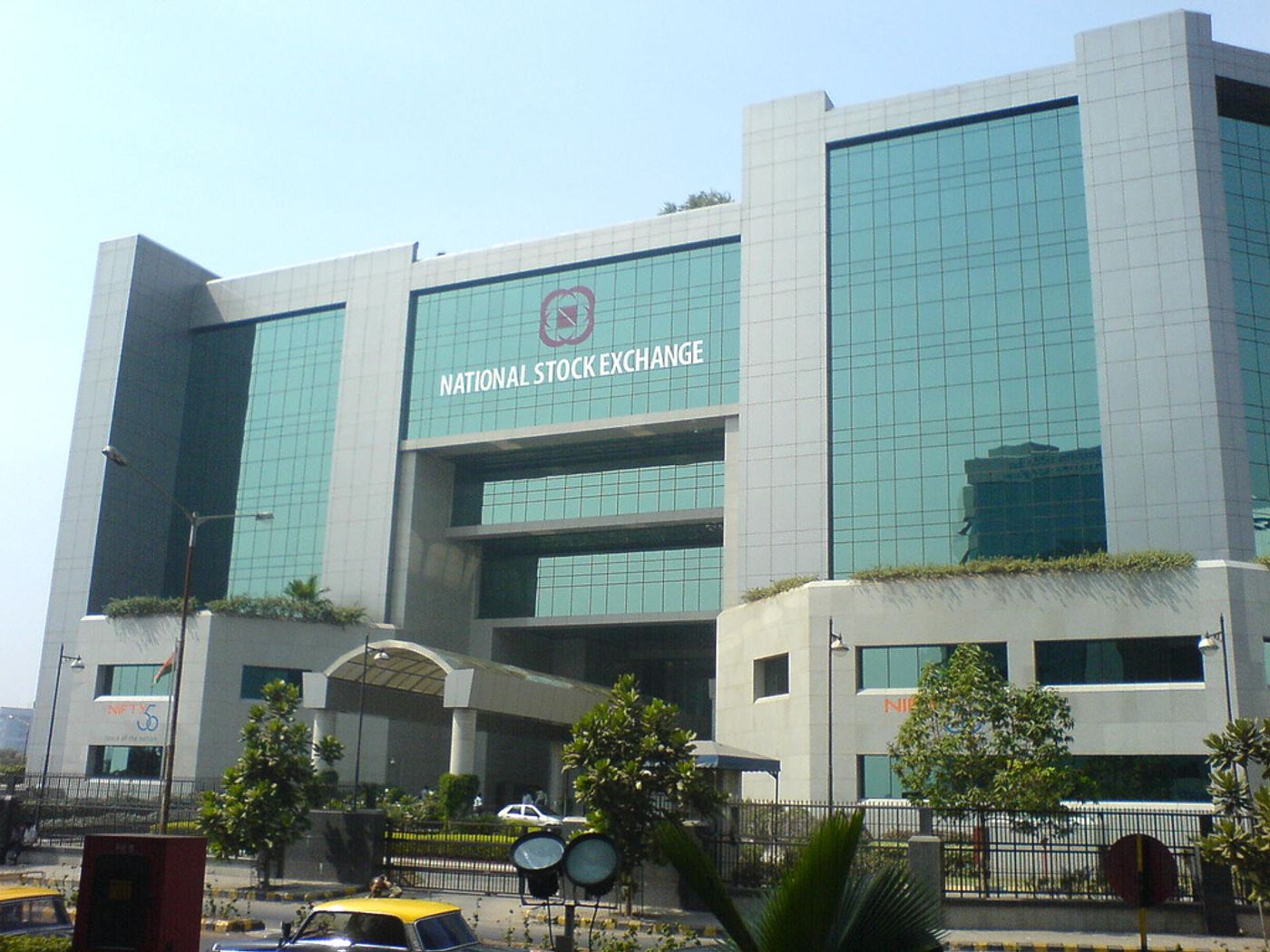
What NSE IPO GMP is signalling
Grey-market reports on September 18 were indicating a premium of roughly 8% over the upper issue price. That can help explain why searches for NSE IPO GMP are rising, but GMP is an unofficial and unregulated indicator. It can move quickly and does not guarantee the eventual listing price or a profit for applicants.
Why demand for the NSE IPO is unusually high
The National Stock Exchange is one of the most important financial-market businesses in India, and the IPO follows years of delays and regulatory hurdles. Search demand is unusually strong: Ubersuggest currently shows about 40,500 monthly searches for “NSE IPO”, 33,100 for “NSE IPO allotment status”, 27,100 for “NSE IPO news”, 14,800 for “NSE IPO date” and 5,400 for “NSE IPO subscription status”.
The offer also attracted major anchor investors before public bidding. Reuters reported participation from investors including Abu Dhabi Investment Authority, Singapore's GIC and Norway's Norges Bank. Strong anchor participation is notable, but it should not be treated as a guarantee of post-listing performance.
The biggest risks investors should consider
NSE's market position is formidable, but its dependence on derivatives trading is a key risk. Reuters reported that derivatives volumes have fallen about 27% from their 2024 peak after regulatory measures aimed at reducing excessive retail speculation. FY2026 revenue fell 3.1% and profit declined 15.5%, even though the exchange remains highly profitable.
That regulatory backdrop matters because recent SEBI proposals affecting F&O expiry pricing show how market-structure changes can directly influence exchange activity and revenue. Investors should therefore look beyond the brand name and compare the IPO valuation with the sustainability of earnings.
Broader market conditions are another factor. The rupee and oil-price environment has increased inflation and interest-rate uncertainty; Headline Thread's latest rupee and crude-oil analysis explains why those macro risks matter for Indian equities.
Should you apply for the NSE IPO?
The case for NSE rests on its dominant position in Indian capital markets, strong profitability, large investor ecosystem and the long-term growth of financial participation in India. The counterargument is valuation risk, softer derivatives activity, regulatory uncertainty and the fact that this IPO does not inject fresh capital into the company.
Investors focused only on listing gains should be especially careful about relying on GMP. Those evaluating NSE as a longer-term holding should pay closer attention to earnings, market share, regulatory changes, competition from BSE and the company's ability to diversify revenue beyond its most profitable trading segments.
What happens next
Day 2 bidding continues through Friday, while the IPO itself remains open until Monday, September 21. The most useful next signal will be how QIB demand develops before the issue closes. If the timetable is maintained, allotment should be finalised September 22 and NSE shares should debut on BSE on September 24.