
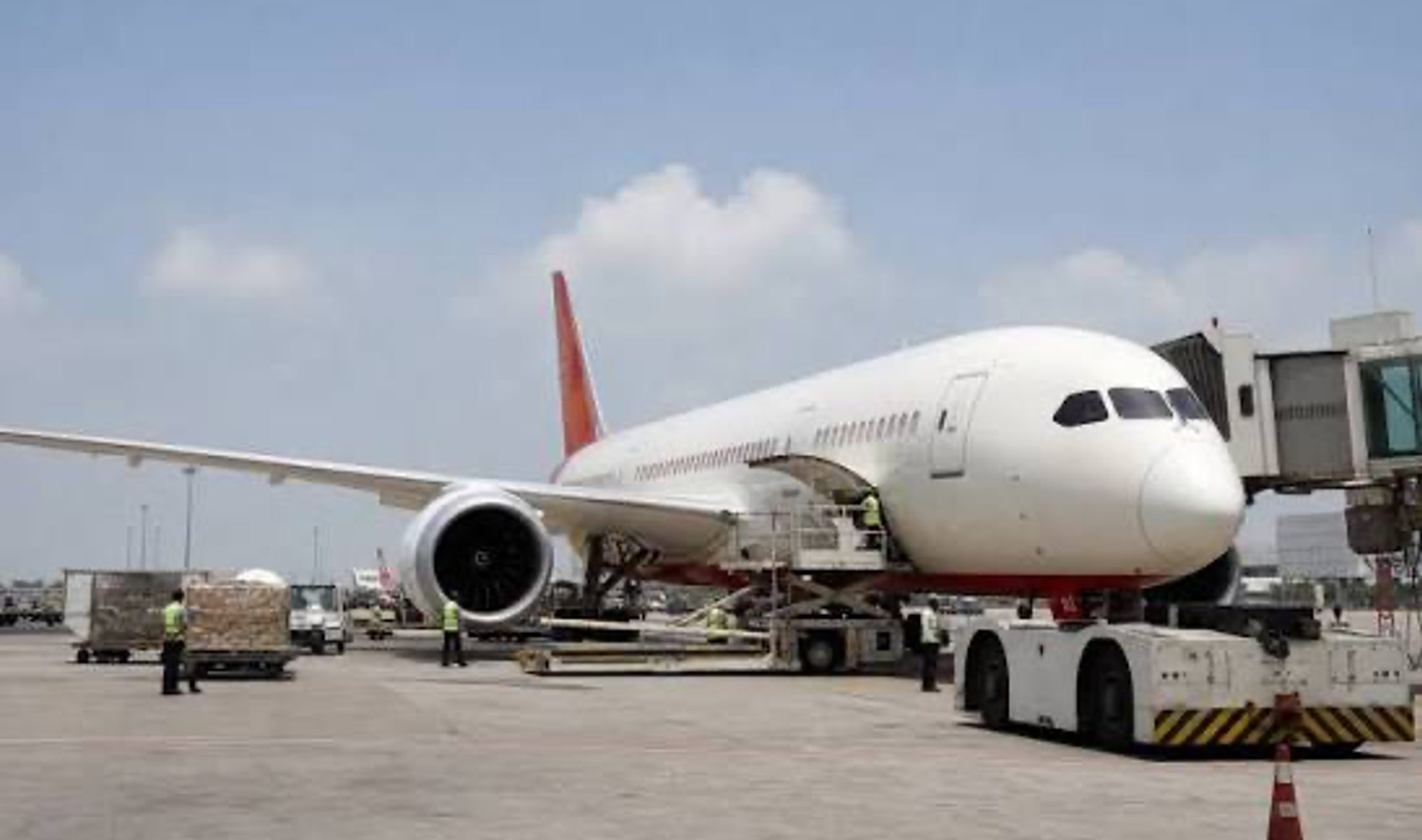
Air India’s long-running turnaround has entered another financially sensitive phase. Singapore state investor Temasek has publicly backed Singapore Airlines’ investment in the Indian carrier, even as Air India reportedly seeks about $1.5 billion in fresh equity from its two main owners, Tata Sons and Singapore Airlines.
The support matters because Singapore Airlines owns 25.1% of Air India after the merger of Vistara with Air India, while Tata Sons controls the majority stake. Any large new capital request therefore raises questions not only about Air India’s own finances but also about how much more its shareholders are willing to invest before the airline’s transformation starts producing sustainable returns.
For passengers, the immediate issue is not whether Air India will suddenly stop operating. The more important question is whether fresh funding can help the airline keep modernising its fleet, improve reliability and service, absorb heavy losses and navigate disruptions that have made international flying unusually expensive.
What Has Happened With Air India’s Funding Request
Reuters reported on August 25 that Air India had asked Tata Sons and Singapore Airlines for about $1.5 billion in fresh equity. The request came after another difficult financial year for the airline group and against the backdrop of a costly multi-year transformation programme.
Singapore Airlines has not said that it has already approved a new capital injection. Instead, it has said its board would carefully consider any request for additional capital while taking into account the group’s other funding requirements and Air India’s business strategy. That distinction is important because the reported $1.5 billion request is not the same as a completed funding round.
The latest development came on August 29, when Temasek said it viewed Singapore Airlines’ investment from a long-term perspective and supported the strategic decision. Temasek also highlighted that Air India’s transformation involves complex operational and integration challenges that can take years to resolve.
Why Temasek’s Support Matters
Temasek is a major shareholder in Singapore Airlines, so its public support helps answer one immediate question: whether the broader strategic rationale for Singapore Airlines’ Air India stake still has backing at the shareholder level.
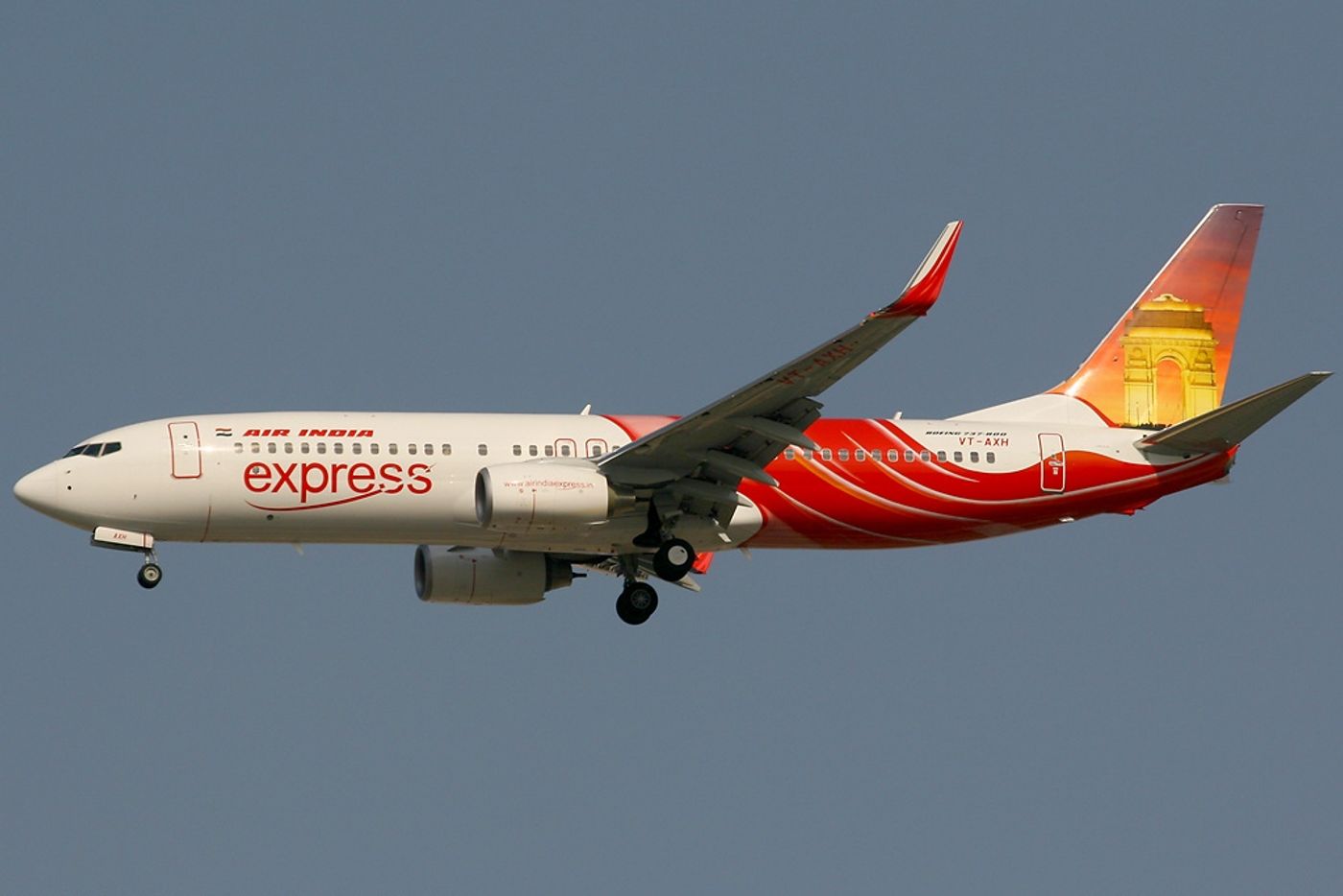
That support does not automatically mean Temasek has committed money for a specific Air India capital call. The state investor did not say whether it would directly support any additional contribution. Singapore Airlines itself has also kept its position measured, saying future capital requests would be assessed alongside its other financial priorities.
The distinction matters because Air India has become a politically visible investment in Singapore. An opposition lawmaker has questioned whether state-linked funds should ultimately be exposed to further losses at the Indian airline. That has turned what would normally be an internal shareholder decision into a broader debate over strategy, risk and public capital.
How Big Are Air India’s Losses?
Air India’s financial challenge is substantial. Reuters reported that Air India and Air India Express posted combined losses of about $2.33 billion in the year to March 31, 2026. Separate disclosures from Singapore Airlines earlier in the year showed an even larger accounting loss figure for the broader Air India investment, reflecting the scale of the pressure on the carrier and its shareholder.
Indian company disclosures have also highlighted the underlying operational problem. Air India and Air India Express together reported a combined net loss of ₹22,238 crore for FY26, more than double the previous year’s combined loss, while revenue also weakened.
This means the new funding request is not simply about financing growth. Part of the challenge is absorbing the cost of restructuring a very large airline while dealing with external shocks that have made the turnaround more expensive and less predictable.
What Is Driving the Financial Pressure
1. Airspace restrictions and longer routes
Pakistan’s restrictions on Indian carriers have forced some Air India flights to take longer routes. Longer flying times translate into more fuel use, additional crew costs and weaker aircraft utilisation, particularly on long-haul international services where margins can already be thin.
2. Geopolitical disruption and high fuel costs
Conflict in the Middle East has disrupted routes and raised operating costs across the aviation industry. For Air India, which is trying to expand its international network, geopolitical instability can quickly undermine route economics. Jet fuel also remains one of the largest expenses for any airline, so sustained high prices create an additional burden.
3. Fleet renewal and refurbishment
Tata’s turnaround plan is built around replacing and refurbishing older aircraft, improving cabins and introducing new planes. Air India has one of the aviation industry’s largest order books, but aircraft deliveries, spare parts and cabin refurbishment programmes have faced global supply-chain constraints. That creates an uncomfortable combination of high investment needs and delayed benefits.
4. Integration costs
The merger of Vistara into Air India was strategically important because it combined Tata’s full-service airline businesses and gave Singapore Airlines a direct 25.1% holding in the enlarged carrier. But integrating fleets, crews, technology, loyalty programmes, routes and operating cultures is expensive and rarely produces immediate savings.
5. Safety and operational rebuilding
Air India is also rebuilding after a fatal Boeing 787 crash in 2025 and has faced heightened scrutiny over safety, compliance and operational processes. Strengthening systems and restoring passenger confidence can require additional spending at the same time as management is under pressure to reduce losses.
Why Singapore Airlines Still Sees Strategic Value
The strategic case for Singapore Airlines is bigger than Air India’s current profit and loss statement. India is one of the world’s largest and fastest-growing aviation markets, with strong long-term demand for both domestic flying and international travel.
A successful Air India gives Singapore Airlines exposure to that growth and a deeper commercial relationship with a network that reaches far beyond Singapore. The two groups can potentially benefit from connectivity, schedule coordination, loyalty relationships and access to passengers travelling between India and the rest of the world.
The investment also sits within a broader Indian economy that continues to attract global capital despite short-term uncertainty. S&P recently maintained India’s BBB sovereign rating with a stable outlook, citing policy stability and infrastructure investment while also flagging fiscal constraints. That longer-term economic backdrop helps explain why strategic investors may tolerate a difficult airline turnaround if they believe the Indian travel market will keep expanding.
What Fresh Funding Could Be Used For
Air India has not publicly provided a detailed allocation for the reported $1.5 billion request. Based on the airline’s known priorities, additional equity could give it more room to finance fleet upgrades, meet working-capital needs, absorb operating losses and continue technology and service improvements without relying only on debt.
Equity is particularly important for a loss-making airline because borrowing more can increase interest costs and weaken the balance sheet. Shareholder capital gives management more flexibility, but it also asks owners to accept additional risk before the turnaround has delivered clear financial returns.
India’s external financial position is currently supported by historically high reserves. The country’s foreign-exchange reserves recently reached a record $729.3 billion. That does not directly fund Air India, but it illustrates the contrast between a relatively resilient macroeconomic backdrop and the much tougher company-specific economics of running an international airline.
What This Means for Air India Passengers
Passengers should not interpret the funding request as evidence that Air India is about to stop flying. Large airlines frequently require shareholder capital during restructuring, particularly when they are investing heavily in aircraft and systems while absorbing temporary losses.
The practical passenger impact is likely to be indirect. More capital could help Air India continue cabin upgrades, maintain network stability and improve technology and service. If funding becomes constrained, the airline may instead have to slow investment, defer aircraft or route decisions and focus more aggressively on cost reduction.
That makes the shareholder response relevant even to travellers who never think about Air India’s balance sheet. The speed of the transformation ultimately determines how quickly passengers see more consistent aircraft, cabins, schedules and service standards across the network.
What Investors and the Aviation Industry Should Watch Next
The first question is whether Tata Sons and Singapore Airlines approve the full reported capital request, approve a smaller amount or structure the funding in stages. Until the shareholders make a formal decision, the size and timing of any new equity injection remain uncertain.
The second issue is whether Air India can narrow losses as operational disruption eases. Investors will want evidence that aircraft utilisation, route economics, service reliability and integration benefits are moving in the right direction rather than fresh capital simply covering recurring losses.
The third is fleet strategy. Air India has committed to a huge aircraft pipeline, but management has also been looking for ways to control capital expenditure and deal with delivery delays. Any decision to defer or reschedule aircraft could provide clues about how aggressively the airline intends to expand while cash remains tight.
More broadly, the outcome will matter to India’s aviation ambitions. India’s goods exports have already crossed $200 billion in FY27, supported by a broader push to deepen the country’s role in global trade. A stronger long-haul Indian airline would complement that economic integration by improving direct passenger and business connectivity to major global markets.
What Happens Next
Temasek’s support gives Singapore Airlines political and strategic cover to keep taking a long-term view of Air India, but the funding decision itself still rests with the relevant boards and shareholders. Singapore Airlines has made clear that it will assess any additional capital request rather than approve it automatically.
For Tata and Singapore Airlines, the calculation is increasingly straightforward but difficult: continue investing now in the hope that scale, fleet renewal and integration eventually create a stronger global airline, or become more cautious as losses consume additional capital.
Air India’s passenger demand and strategic position remain valuable. The challenge is turning that position into reliable operations and sustainable economics. The reported $1.5 billion request shows that the transformation still requires substantial financial support, while Temasek’s latest statement shows that at least one influential shareholder continues to believe the long-term case is intact.