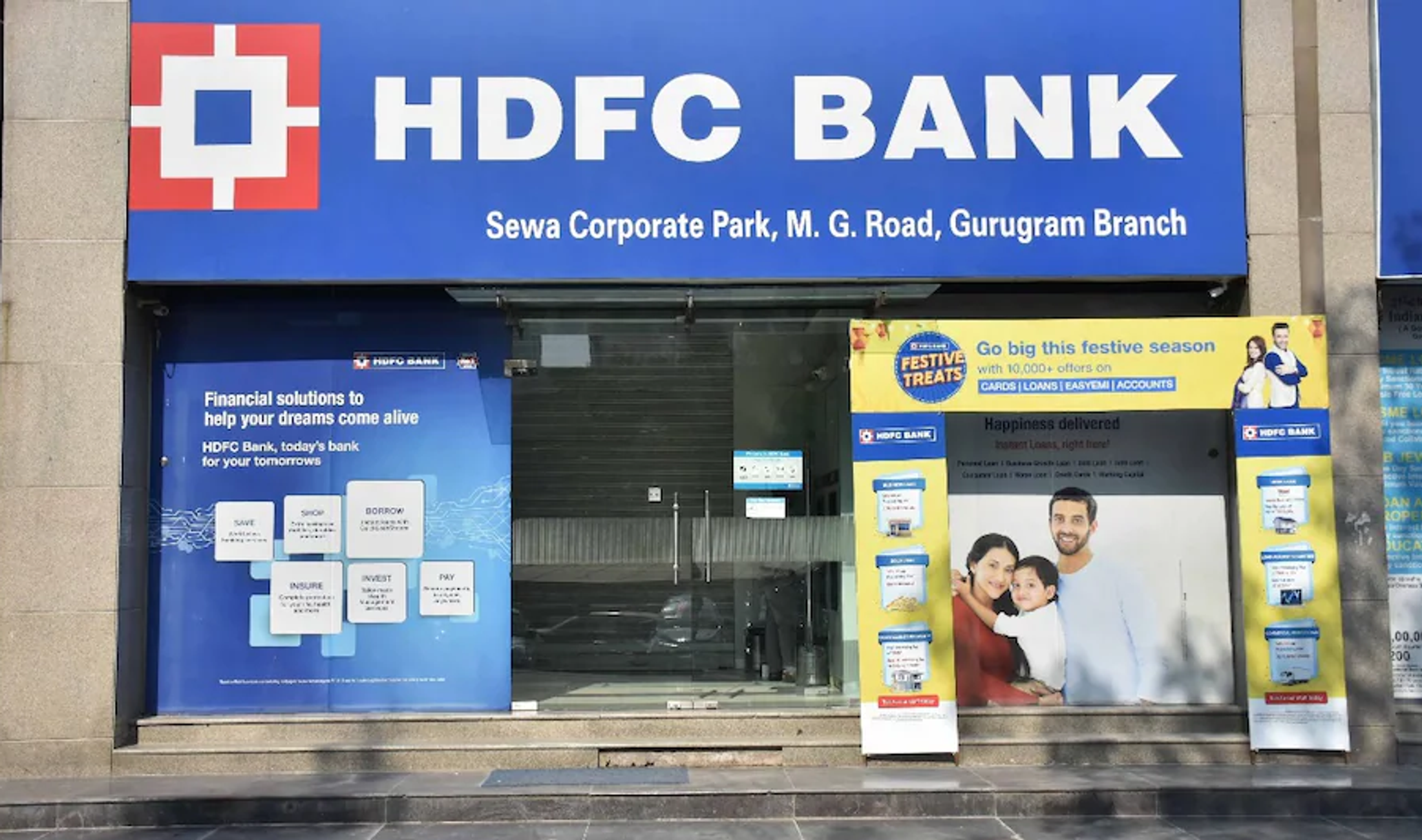
HDFC Bank is heading into one of its most important leadership transitions in years. Sashidhar Jagdishan, the managing director and chief executive who led the bank through its landmark merger with HDFC Ltd, has decided not to seek reappointment and will retire when his current term ends on October 26, 2026.
The announcement matters well beyond a change in the corner office. HDFC Bank is India’s largest private-sector lender and one of the heaviest-weighted companies in the domestic equity market. Its next CEO will inherit a bank that remains financially powerful but is also navigating investor concerns over governance, post-merger profitability and the pace at which its deposit franchise can support loan growth.
The board has said it will fast-track the selection and appointment of Jagdishan’s successor. That makes the coming weeks important for shareholders, customers and employees as attention shifts from whether Jagdishan would receive another term to who will lead HDFC Bank next.
What HDFC Bank Announced
HDFC Bank disclosed on August 29 that Jagdishan had informed the board he would not seek reappointment as managing director and CEO. According to the bank’s exchange disclosure, the board tried to persuade him to continue, but he reiterated his decision. He will therefore retire from the bank at the close of business on October 26.
The board said it deeply appreciated his leadership, his contribution to the bank’s growth and stability, and his role in completing the merger between HDFC Bank and its former parent HDFC Ltd. It also said the process of selecting and appointing a successor would be accelerated so that the transition is completed within the required timeframe.
Why Jagdishan’s Exit Is Significant
Jagdishan took over as HDFC Bank’s CEO in October 2020 after the retirement of longtime chief executive Aditya Puri. He was reappointed for another three-year term beginning in October 2023 and had previously indicated that he was willing to continue, making the decision not to seek another term notable.
His tenure included the July 2023 merger of HDFC Ltd with HDFC Bank, one of the biggest corporate combinations in India. The transaction gave the bank a much larger mortgage book and balance sheet, but it also changed its funding profile. Investors have since watched deposit growth, net interest margins and the bank’s ability to improve returns after absorbing the housing finance company.
The leadership change also arrives during a period of heightened governance scrutiny. Former chairman Atanu Chakraborty resigned earlier in 2026 after raising concerns about practices at the bank. HDFC Bank later commissioned an independent legal review and said the review found no evidence or records supporting those concerns.
Separately, an internal review of an arrangement involving the Maharashtra State Road Development Corporation resulted in warning letters and monetary penalties for three senior executives, including Jagdishan. The bank’s board said the conduct amounted to business overreach rather than bad faith, personal enrichment or improper motive.
HDFC Bank Is Still Financially Strong
The management transition is happening against a mixed operating backdrop rather than a financial crisis. For the April to June quarter of FY27, HDFC Bank reported standalone net profit of about ₹19,060 crore, up roughly 5% from a year earlier. Loans grew 15.4% year on year and deposits increased 13.3%.
Net interest income rose 6.7% to about ₹33,530 crore, while the bank’s gross non-performing asset ratio was 1.17%. Those figures show that the core franchise remains large and profitable, even as investors continue to debate whether post-merger returns are improving quickly enough.
The transition also comes as India’s broader financial system operates against a changing macro backdrop. India’s foreign-exchange reserves recently reached a record $729.3 billion, giving policymakers a substantial external buffer even as markets remain sensitive to global interest rates and energy prices.
Who Could Replace Sashidhar Jagdishan?
HDFC Bank has not officially named a successor. That distinction is important because early speculation around candidates should not be treated as a confirmed appointment.
The board now has to identify a candidate and navigate the regulatory process for appointing the chief executive of a major private bank. Investors will watch whether HDFC Bank chooses an internal leader who can provide continuity or brings in an external executive to signal a broader strategic reset.
An internal appointment could reduce execution risk because senior HDFC Bank executives already understand the institution’s large branch network, technology systems, credit culture and post-merger priorities. An external candidate, on the other hand, could be viewed as an opportunity to bring a fresh approach to governance, profitability and investor communication.
What the Next CEO Will Need to Fix
The next chief executive will not be starting with a blank slate. Several strategic priorities are already clear.
1. Improve post-merger returns
The HDFC merger created enormous scale but also increased the importance of raising low-cost deposits to fund the expanded loan book. Improving margins and returns without weakening underwriting standards will remain central to the investment case.
2. Restore governance confidence
Even where reviews have not substantiated allegations of wrongdoing, repeated governance headlines can create uncertainty. The next CEO will need to demonstrate strong controls, transparent decision-making and clear communication with the board, regulators and shareholders.
3. Protect asset quality while growing
HDFC Bank’s low bad-loan ratio is one of its longstanding strengths. Maintaining asset quality while competing for retail, mortgage and corporate lending growth will be essential, particularly if the interest-rate environment becomes less supportive.
4. Keep the digital franchise competitive
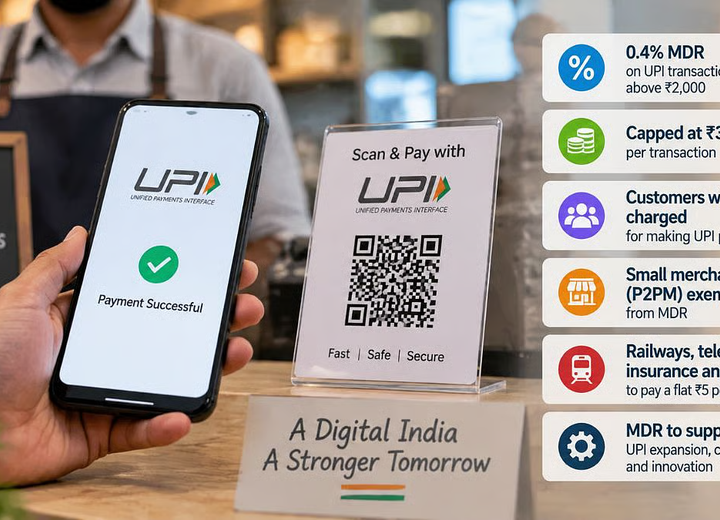
Indian banking is increasingly shaped by digital payments and app-based customer relationships. UPI now processes more than 23 billion transactions in a month, making digital reliability, fraud controls and customer experience strategically important for every major lender.
What HDFC Bank Customers Should Know
For ordinary HDFC Bank customers, Jagdishan’s retirement does not by itself change accounts, deposits, loans, cards or digital banking services. The bank continues to operate normally, and the leadership transition is a corporate governance process rather than a change to customer contracts.
The practical impact for customers will depend on the strategy pursued by the next CEO over time. Changes could eventually appear in areas such as branch expansion, product pricing, digital investment, service standards or the bank’s appetite for different categories of lending, but no such changes follow automatically from the August 29 announcement.
What Investors Should Watch Next
The first major signal will be the succession shortlist and whether the eventual candidate comes from inside or outside HDFC Bank. Markets will also pay close attention to how quickly the appointment receives regulatory clearance and whether there is any gap between Jagdishan’s retirement and the new CEO taking charge.
The second issue is strategy. Investors will want evidence that HDFC Bank can improve profitability after the merger while preserving balance-sheet quality. That challenge sits within an Indian economy that still has a relatively strong growth outlook, with S&P maintaining India’s BBB rating with a stable outlook, but where banks must also navigate shifts in rates, liquidity and global risk appetite.
Finally, investors will watch governance. A credible, orderly succession accompanied by clear disclosure could help reduce uncertainty. A prolonged search or further governance disputes could do the opposite.
What Happens Next
Jagdishan remains CEO until October 26, so HDFC Bank has nearly two months to advance the succession process. The board has explicitly said it will move quickly, but the identity of the next chief executive has not yet been confirmed.
For HDFC Bank, the immediate task is therefore less about changing day-to-day operations and more about ensuring continuity at the top. The eventual appointment will be closely scrutinised because the next CEO will shape the bank’s post-merger phase and its response to the governance questions that have dominated investor attention in 2026.
For customers, there is little reason to expect an immediate difference. For shareholders, however, the successor announcement could become one of the most consequential HDFC Bank developments of the year.