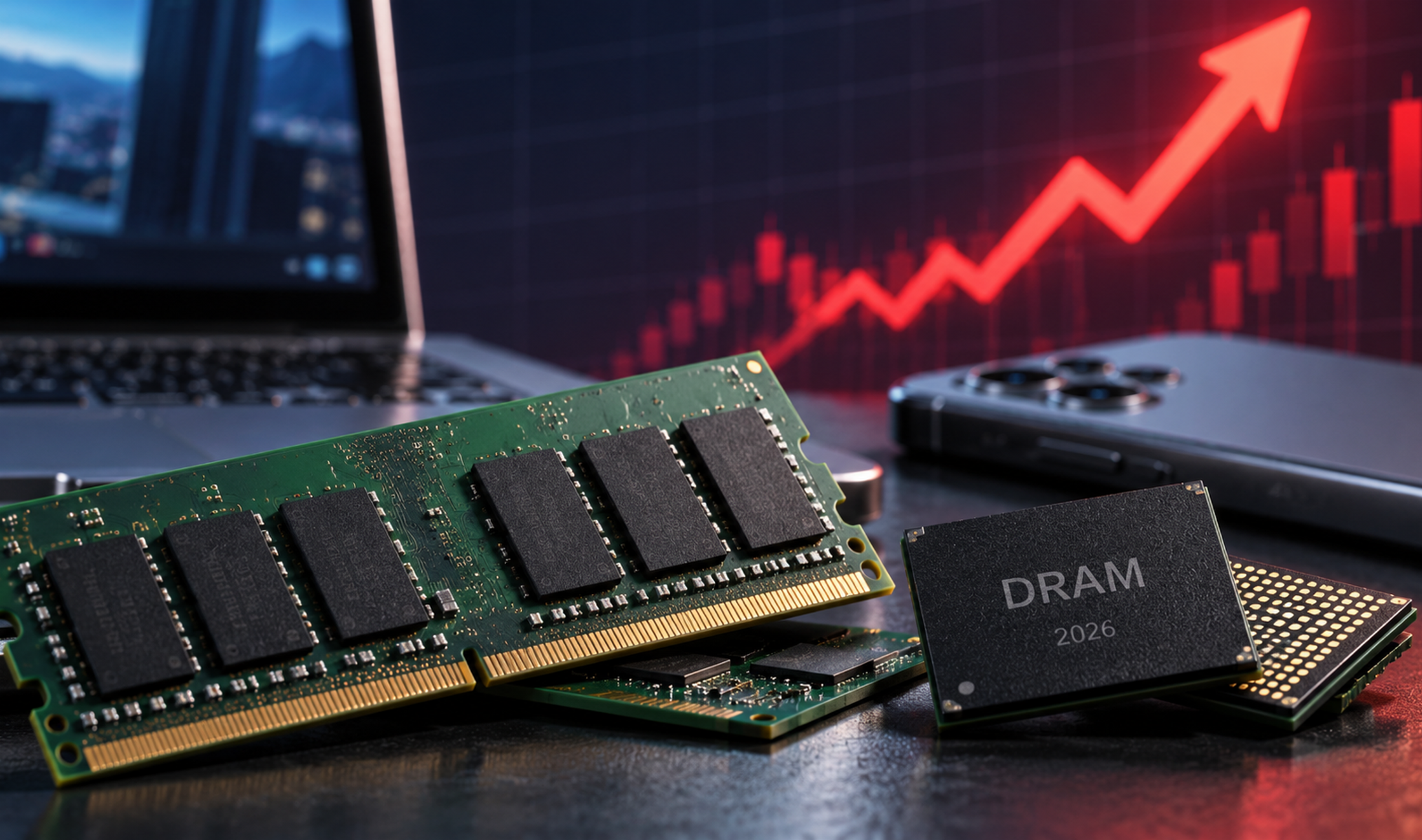
RAM has become one of the unexpected pressure points in consumer technology in 2026. The same artificial-intelligence boom that is driving investment in GPUs and data centres is also consuming enormous quantities of memory, while chipmakers increasingly prioritise high-bandwidth memory and server products over conventional consumer DRAM. The result is tighter supply and higher costs that can eventually show up in phones, laptops, gaming PCs and other electronics sold in India.
This is not simply a story about retail desktop RAM kits getting expensive. Memory sits inside almost every modern computing device. When the underlying DRAM and NAND markets tighten, manufacturers have three basic choices: absorb the cost, increase retail prices, or reduce specifications. In practice, buyers can see a mixture of all three.
How Much Are Memory Prices Rising?
TrendForce forecast conventional DRAM contract prices to rise 13% to 18% quarter-on-quarter in the third quarter of 2026, after much steeper increases earlier in the year. It also forecast NAND Flash contract prices to increase 10% to 15% in the same quarter. The important detail is that these increases are happening from an already elevated base.
The pressure was even stronger in the second quarter. TrendForce had projected conventional DRAM contract prices to rise 58% to 63% quarter-on-quarter and NAND Flash prices by 70% to 75%. By July, the research firm said consumer customers such as PC and smartphone makers were reaching their affordability limits, which helps explain why the pace of increases was expected to moderate rather than disappear.
Why AI Is Making Consumer RAM More Expensive
AI servers need huge amounts of memory, particularly high-bandwidth memory, or HBM, placed alongside powerful accelerators. Memory manufacturers can earn attractive returns from these server products, so capacity and investment have shifted toward HBM, high-capacity DDR5 and enterprise storage.
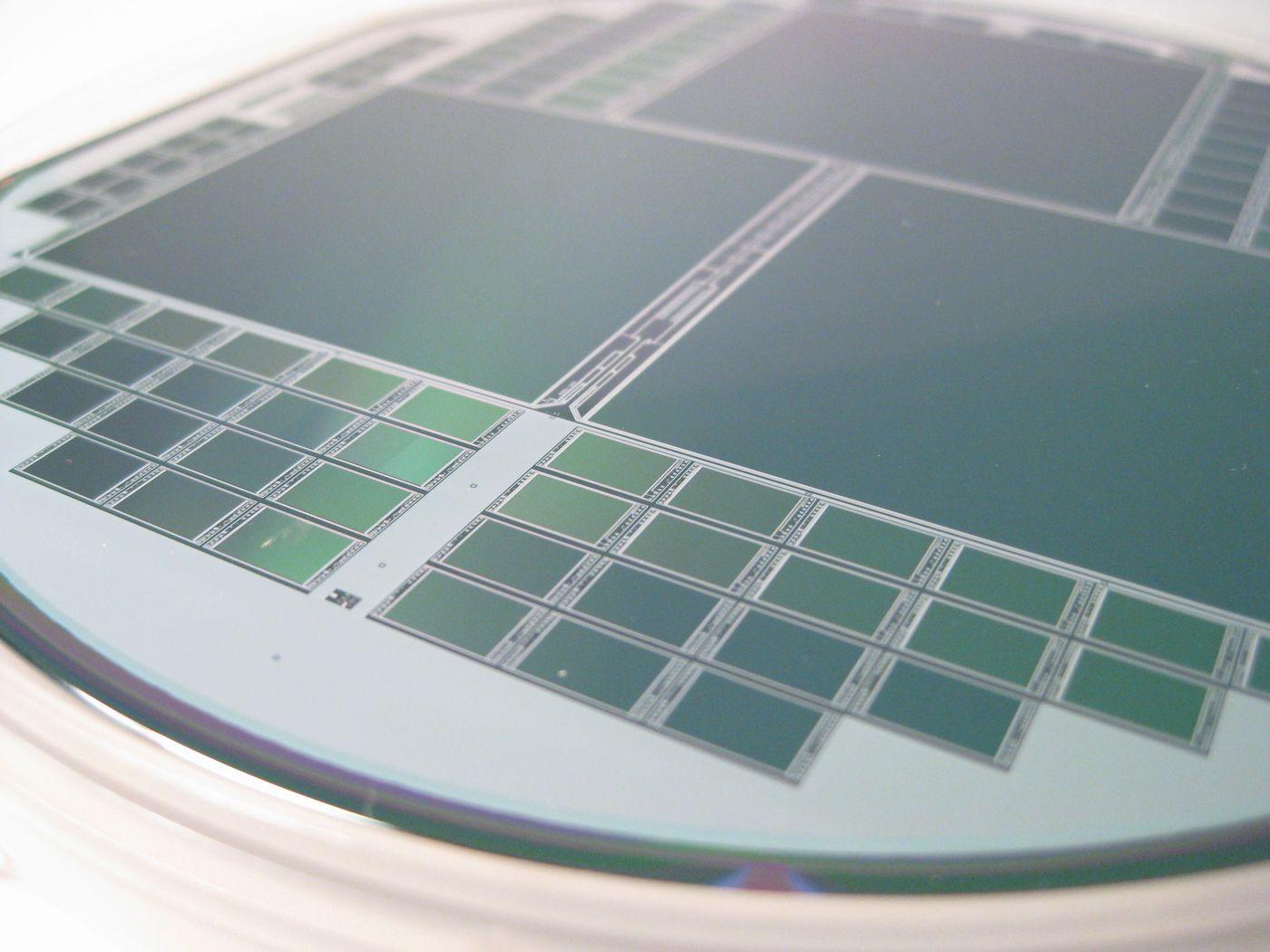
IDC describes the situation as more than a normal boom-and-bust memory cycle. It says Samsung Electronics, SK Hynix and Micron have redirected limited clean-room capacity and capital expenditure toward higher-margin enterprise memory. IDC expects DRAM bit-supply growth of about 16% year-on-year in 2026 and NAND growth of about 17%, below historical norms while AI demand remains unusually strong.
That creates a direct competition for manufacturing resources. A wafer used for memory destined for an AI server is capacity that cannot simultaneously produce LPDDR memory for smartphones or conventional modules for PCs. New factories can eventually increase supply, but semiconductor fabs and advanced packaging lines take years to build and ramp.
What This Means for Smartphone Buyers in India
Smartphones are particularly sensitive because memory is a meaningful part of their bill of materials. IDC estimates memory can represent roughly 15% to 20% of the bill of materials for a mid-range smartphone and around 10% to 15% for a flagship. That leaves manufacturers exposed when both DRAM and NAND costs rise.
For Indian buyers, the effect may not always appear as an obvious price increase. A brand could keep a familiar price point while offering less RAM or storage, reserve higher-capacity variants for more expensive models, reduce launch discounts, or push buyers toward premium configurations. The exact response will differ by manufacturer and model, so a memory shortage should not be used to assume that every upcoming phone will automatically cost more.
This makes specification comparisons more important. If you are deciding whether extra memory is worth paying for, Headline Thread's 8GB vs 12GB RAM comparison explains where additional physical RAM actually helps and where it is unlikely to transform everyday use.
Storage Prices Matter Too
The squeeze is not limited to DRAM. NAND Flash, used for phone storage and SSDs, has also become more expensive as data-centre demand competes for supply. That matters when choosing between 128GB and 256GB phones, or between 512GB and 1TB laptop SSDs.
Buyers should avoid paying a large premium merely because higher storage sounds more future-proof. Compare the actual configuration and your usage. Our 128GB vs 256GB phone storage explainer looks at photos, video, games, offline media and long-term ownership to help decide which capacity is genuinely useful.
Laptops and Gaming PCs Could Feel the Pressure More Directly
PC buyers encounter memory pricing more visibly because RAM and SSD capacities are often configurable and desktop components can be purchased separately. Higher module costs can make a 32GB upgrade noticeably more expensive, while laptop makers may use 16GB as the mainstream configuration for longer instead of making 32GB standard at the same price.
The effect is also relevant to business laptops and AI PCs, where larger memory configurations are increasingly useful for local AI workloads. Headline Thread recently covered Dell's Pro 3, Pro 5 and Pro 7 India launch, a useful example of how modern premium PCs are combining AI features, newer connectivity and increasingly capable hardware configurations.
Should You Buy RAM or a Laptop Now Before Prices Rise Further?
Do not panic-buy hardware solely because memory prices are rising. Component markets are volatile, Indian retail pricing does not move in perfect lockstep with global contract prices, and promotions can temporarily offset higher underlying costs. Buying a device you do not need simply to avoid a possible future increase rarely makes financial sense.
However, if you already planned a PC build or memory upgrade in the near term, waiting specifically for a rapid return to the unusually cheap memory conditions of earlier years may be optimistic. TrendForce's third-quarter forecast still points upward, while IDC expects the broader supply imbalance to persist well into 2027.
What Buyers Should Check Before Purchasing
For phones, compare physical RAM and storage rather than marketing around virtual RAM. Check whether storage is expandable, whether the higher-capacity version also includes more physical RAM, and whether the price gap is justified by your expected ownership period.
For laptops, check whether RAM is soldered or upgradeable before choosing a lower-memory configuration. A machine with upgradeable memory gives you more flexibility if module pricing improves later. If the memory is soldered, buying enough capacity for the full expected life of the laptop is more important.
For desktop PCs, compare complete kit prices and compatibility rather than focusing on price-per-gigabyte alone. DDR4 and DDR5 are not interchangeable, motherboard support matters, and very high-frequency kits may offer poor value for workloads that do not benefit from them.
When Could RAM Prices Come Down?
There is no reliable date for a return to lower consumer memory prices. New capacity is being built, but it takes time. IEEE Spectrum notes that Micron, Samsung and SK Hynix have major capacity expansions planned across 2027, 2028 and beyond. Meanwhile, AI demand continues to grow and gives suppliers a strong incentive to prioritise high-value memory products.
That means buyers should plan around the market that exists rather than waiting for a specific month when prices are supposedly guaranteed to fall. Memory is cyclical, so prices can eventually reverse, but the current AI-driven allocation of capacity makes the timing unusually difficult to predict.
The Bottom Line for Indian Buyers
The 2026 memory crunch is becoming a consumer-electronics story, not just a semiconductor-industry story. AI infrastructure is absorbing more manufacturing capacity, conventional DRAM and NAND contract prices remain elevated, and phone and PC makers have less room to keep increasing specifications without raising costs.
For Indian buyers, the sensible response is not to rush into a purchase. Instead, pay closer attention to the amount of physical RAM and storage included at each price point. A phone or laptop that appears to cost the same as last year's model may still represent a weaker deal if its memory configuration has been reduced. Conversely, a modest price increase can be reasonable if the device preserves useful RAM and storage capacity in a market where those components have become substantially more expensive.